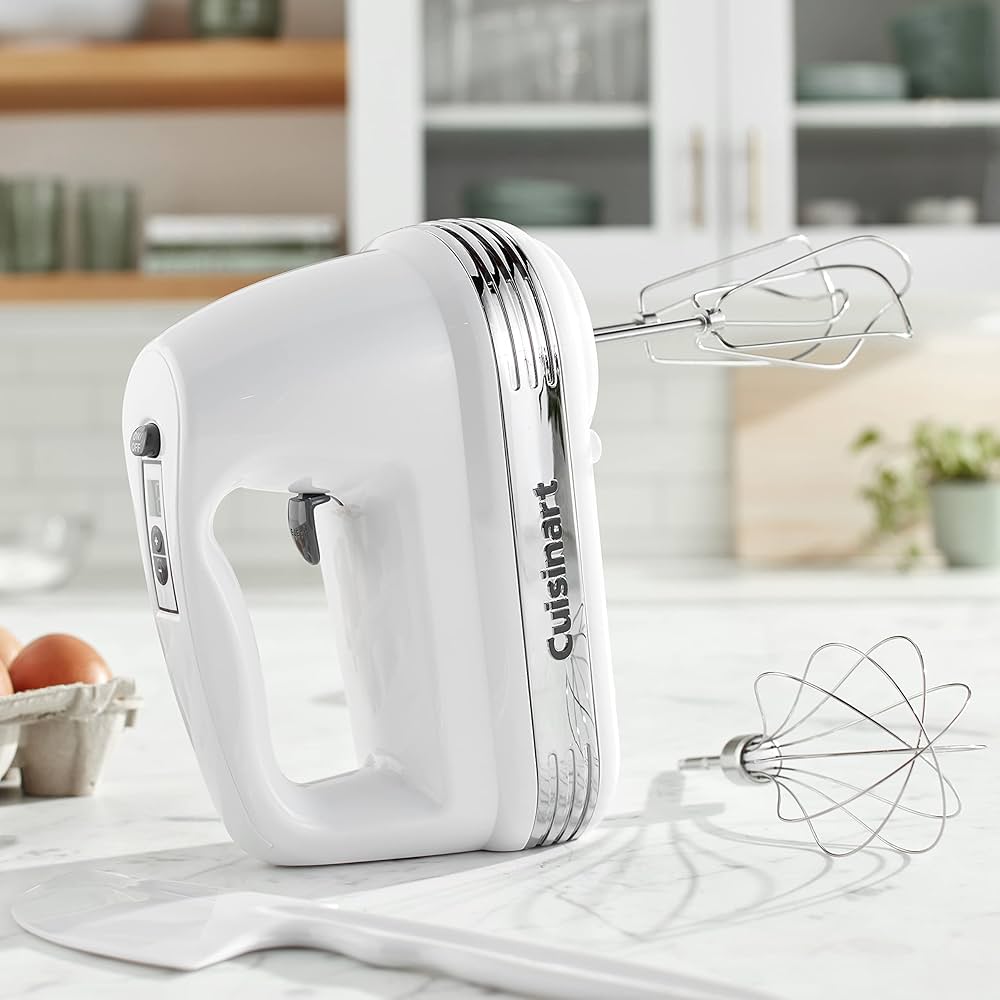
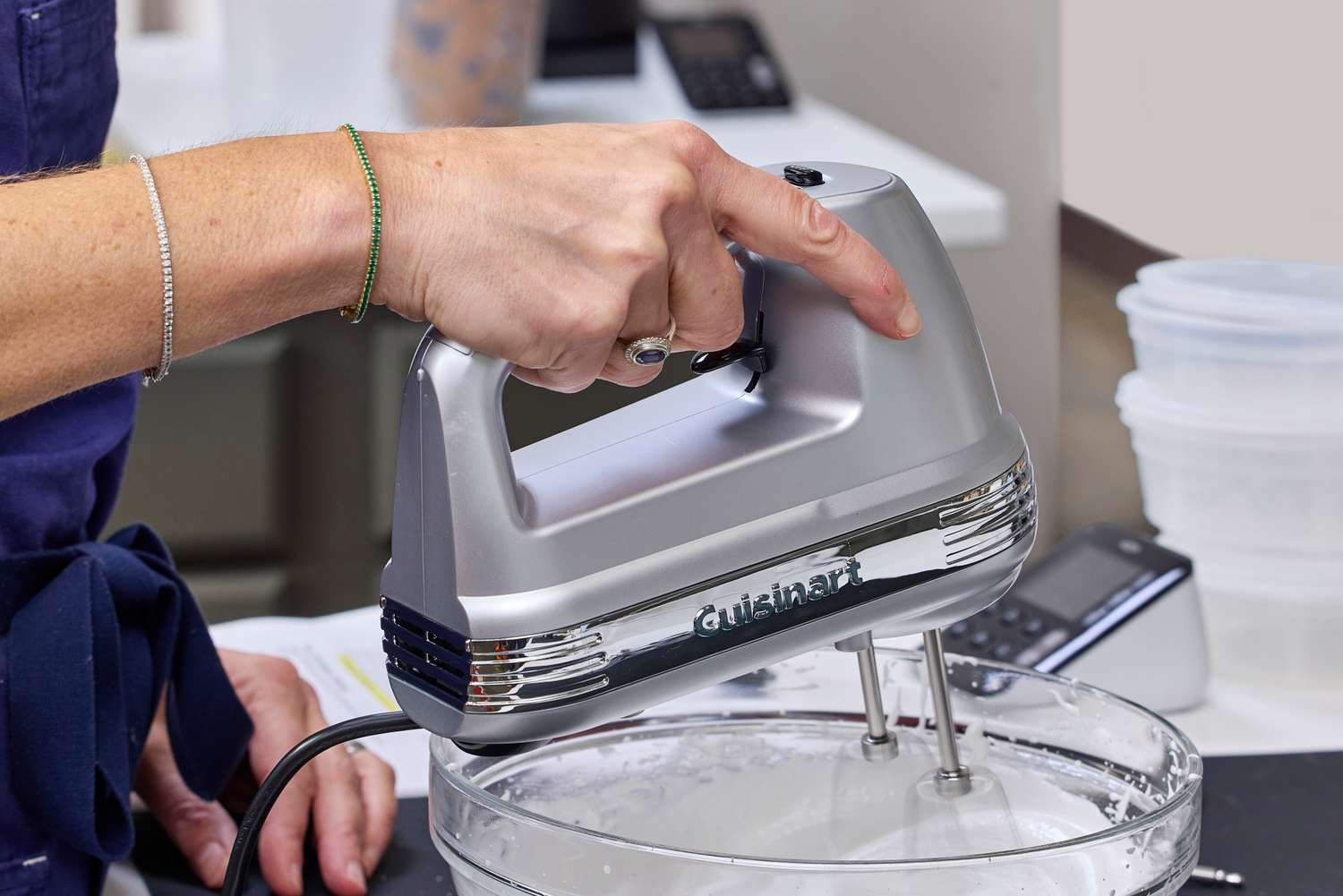
If you have been looking at the Cuisinart Precision Master Stand Mixer, you have probably noticed it sits in an interesting spot. It is not the cheapest mixer on the shelf, but it also is not trying to compete with the high-end premium machines that tend to dominate the conversation. That usually raises the real question people care about: is it actually worth buying, or are you better off putting your money somewhere else?
After digging through owner feedback, specs, and comparisons with similarly priced models, I think the Cuisinart Precision Master stand mixer makes a lot of sense for a certain kind of home baker. It has a roomy 5.5-quart bowl, a respectable 12-speed range, and enough power for most routine mixing jobs in a home kitchen. It also looks nice on the counter, which I know is not everything, but it does matter when a mixer is going to live out in the open.
Still, this is not one of those mixers that feels flawless once you look closer. Some users love the smooth mixing for cakes, cookies, frostings, and whipped cream, while others run into frustrations with heavier doughs, attachment fit, or the general feel of the machine compared with sturdier all-metal options. That mix of praise and criticism is exactly why this model deserves a balanced look.
I’ve spent a lot of time around kitchen equipment that looks promising on paper but tells a different story once it starts handling real food. Stand mixers are a good example of that. Numbers like speed settings and wattage only get you so far. What really matters is how the machine behaves when the bowl is full, when the dough thickens up, and when you use it week after week instead of once a month.

Cuisinart Precision Master stand mixer – 5.5-Quart Tilt-Head Stand Mixer, 12 Speed, 500W, Includes Bowl, Dough Hook, Chef’s Whisk and Flat Mixing Paddle
What the Cuisinart Precision Master Stand Mixer is Really Like to Use
The Cuisinart Precision Master stand mixer is designed as a general-purpose home mixer. For everyday baking, that is mostly where it feels comfortable. It handles common jobs like creaming butter and sugar, mixing cake batter, whipping cream, beating mashed potatoes, and preparing cookie dough without much drama. For a lot of households, that is already enough.
The 5.5-quart stainless steel bowl gives it a useful amount of room. That size works nicely for family baking projects or batch cooking that goes a bit beyond the basics. If you regularly make two dozen cookies, a birthday cake, or a standard loaf of bread dough, the bowl capacity is a genuine advantage. It does not feel tiny or cramped, which is something I always notice with smaller budget mixers.
The 12 speeds also sound more luxurious than they really need to be, but in practice the range helps with control. Lower speeds are helpful when you want to avoid flour clouds or splashing, while the higher settings are useful for whipping and aerating. That said, a long speed list does not automatically mean the mixer is stronger or more refined than a model with fewer settings. A lot depends on the motor and the stability of the machine under load.
In lighter and medium-duty tasks, the Cuisinart generally seems to perform the way most people hope it will. It is when the workload gets heavier that the trade-offs become more obvious. Thick bread doughs and longer kneading sessions are where some owners start to question whether this is really the mixer they wanted.
Cuisinart Precision Master Stand Mixer Features
If you want a clearer picture of what the Cuisinart Precision Master stand mixer actually offers, it helps to look at the core features in one place. The table below covers the specs and practical details that matter most in everyday kitchen use.
| Feature | Cuisinart Precision Master Stand Mixer |
|---|---|
|
Model
The specific version most shoppers are looking at in this listing. |
Cuisinart Precision Master Stand Mixer, SM-50 Series |
|
Motor Power
Motor strength affects how confidently the mixer handles thicker batters and doughs. |
500 watts |
|
Bowl Capacity
A larger bowl gives you more room for batch baking and family-sized recipes. |
5.5-quart stainless steel bowl |
|
Number of Speeds
More speed options can help with control, especially when switching from folding to whipping. |
12 speeds |
|
Mixer Style
The head design affects access to the bowl and how easy it is to swap attachments. |
Tilt-back head design |
|
Construction
Build material plays a big role in how sturdy the mixer feels on the counter. |
Die-cast metal construction |
|
Included Bowl
The bowl material matters for durability, cleanup, and long-term wear. |
Stainless steel mixing bowl with handle |
|
Included Attachments
These are the core tools most people will use for baking, whipping, and kneading. |
Chef’s whisk, flat mixing paddle, dough hook |
|
Splash Guard
Helpful for reducing mess when adding flour, sugar, or liquids during mixing. |
Yes, includes splash guard with pour spout |
|
Attachment Hub
This matters if you want the mixer to do more than basic mixing over time. |
Yes, works with optional attachment hub accessories |
Compare Other Stand Mixers From This Brand
How It Compares to Other Mixers in the Same Price Range
Seeing the key differences side by side can make it much easier to decide which mixer actually fits your needs. The table below highlights the most important features.
| Feature | Cuisinart Precision Master Stand Mixer Model Reviewed | Kraftsman Stand Mixer All Metal | Hamilton Beach Professional All-Metal Stand Mixer |
|---|---|---|---|
|
Design
A quick visual look at each mixer’s overall size, shape, and layout. |
|||
|
Bowl Capacity
How much each mixer can handle before it starts feeling cramped for cookies, cake batter, or family-sized baking. |
5.5 quart | 5.3 quart | 5 quart |
|
Speed Settings
More speeds can help with control, especially when switching between gentle mixing and whipping. |
12 speeds | 8 speeds | 12 speeds |
|
Motor Power
Power is not everything, but it does help show which mixers are built for lighter baking and which are meant to feel a bit stronger under load. |
500 watts | 660 watts | 450 watts |
|
Build Style
This gives a better sense of how sturdy each mixer may feel during regular use, especially with thicker mixtures. |
Die-cast metal construction | All-metal body | All-metal body |
|
Best For
The kind of baking each mixer seems most comfortable with in a real home kitchen. |
Everyday baking, cake batter, cookies, frosting, and moderate dough use | Heavier mixing jobs and buyers who want a stronger heavy-duty feel | Regular home baking with a sturdier build and broad speed control |
|
Bread Dough Confidence
Some mixers look good on paper but feel less convincing once dough gets thick and heavy. |
Fine for occasional dough, but not the strongest choice for frequent bread work | Looks more suited to heavier dough mixing | More confidence-inspiring than most lighter home mixers |
|
Main Advantage
The clearest reason someone would choose each model over the others. |
Best balance of bowl size, speed range, and familiar brand appeal | Most heavy-duty feel for the money | Strong build with 12 speeds from a more established brand |
|
Main Trade-Off
What you are giving up in exchange for the price and feature set. |
Useful and versatile, but not the most reassuring choice for serious bread bakers | Less familiar brand, and paper specs may look stronger than long-term refinement | Smaller bowl, so it gives up a bit of batch capacity |
|
Who Should Buy It
A quick shortcut for readers who already know what kind of mixer they want. |
Home bakers who want a roomy, flexible mixer for general use | Buyers who care most about stronger construction and heavy-duty appeal | Shoppers who want a sturdier alternative without giving up speed control |
If you are also considering Hamilton Beach, it is worth taking a look at our Hamilton Beach vs Cuisinart stand mixer comparison. That gives a broader view of how the two brands compare beyond this specific model.
Build Quality: Good Looking, Mostly Solid, but Not Quite Heavy-Duty
One reason people are drawn to this mixer is that it looks more upscale than a lot of entry-level machines. The Cuisinart Precision Master has a polished, countertop-friendly design that gives it a more serious presence than lightweight plastic mixers. It does not feel like a toy, and for many buyers that matters. If a machine looks flimsy, people tend to question it before they even plug it in.
That said, this is also where expectations need to stay realistic. The mixer has a decent build for home use, but it does not consistently give the same tank-like impression you get from truly heavy-duty stand mixers. A lot of owners seem happy with the overall fit and finish, yet some mention that the machine feels less substantial than they expected once they start working with dense dough or heavier loads.
That is a common dividing line in this category. A mixer can feel perfectly fine for cakes and cookie dough, then show more vibration, movement, or strain when asked to do repeated bread work. For occasional home baking, that may not be a dealbreaker. For someone who bakes multiple loaves every week, it probably matters a lot more.
Brand Reputation, Warranty, and Customer Service
Cuisinart is one of those kitchen brands most home cooks have at least heard of, and that does matter a little here. It is not an obscure budget label trying to win people over with flashy specs and very little support behind the sale. The company has been in the kitchen appliance space for a long time, and the Precision Master stand mixer sits inside a product line that feels established rather than experimental. That does not automatically make this mixer better than every rival in its price range, but it does give buyers a little more confidence that they are dealing with a known brand with real product support, manuals, parts, and a recognizable service system.
For warranty coverage, Cuisinart lists a limited three-year warranty for eligible U.S. consumer purchases made through Cuisinart or an authorized reseller. That is a meaningful point in this category because a stand mixer is not a throwaway purchase. A longer warranty does not guarantee a trouble-free experience, but it does make the product feel less risky than models with weaker support or unclear coverage. Buyers should still read the fine print, though, because the warranty does not cover normal wear, misuse, unauthorized repairs, or commercial use. In other words, the coverage is helpful, but it is not as broad as some shoppers assume when they first see “three years.”
Customer service is another area where Cuisinart looks fairly solid on paper. The company maintains a dedicated product assistance page, a support email, a customer service phone number, warranty resources, product registration, manuals, and an online inquiry form. That is the kind of support structure I like to see with countertop appliances, especially ones that may need troubleshooting, replacement parts, or warranty claims later on. Of course, having support channels available is not exactly the same thing as every customer having a perfect service experience, but compared with lesser-known brands, Cuisinart at least offers a more visible and organized support system.
So from a buyer’s perspective, the brand side of this mixer is actually one of its quieter strengths. You are getting a product from a company with an established reputation, clear support pages, and a warranty that is decent for a home stand mixer. That does not erase the machine’s limitations with heavier dough or make it the best value in every comparison, but it does make the purchase feel a little safer than going with a cheaper brand that is harder to contact once something goes wrong.
Cuisinart also tends to look stronger once you compare the brand side by side with bigger names in the category. If you want a broader sense of how the company stacks up, you can also read our KitchenAid vs Cuisinart stand mixer comparison for a more general brand-level look.
Mixing Performance in Real Kitchen Use
For Cakes, Cookies, Frosting, and Light Batters
This is where the mixer seems to earn most of its positive feedback. It does well with standard baking jobs that most home cooks actually make. Butter and sugar cream together well, cake batters come out smooth, and whipped mixtures generally benefit from the range of speeds. If your baking leans toward birthday cakes, cupcakes, cookies, pancakes, or frostings, the Cuisinart Precision Master stand mixer should feel pretty comfortable.
I think that matters because many people buy stand mixers with grand plans, but the day-to-day reality is usually lighter baking and weekend prep. For those tasks, you do not always need the most muscular machine on the market. You need one that works consistently, does not make a mess, and saves time. This Cuisinart often seems to meet that bar.
For Bread Dough and Heavier Mixing
This is the more cautious part of the review. The mixer can handle dough, but it does not sound like the kind of machine I would recommend first to someone who is serious about frequent bread baking. Heavier dough places much more stress on the motor, gears, and overall stability of a stand mixer. That is where weaker points show up fast.
Some owners report acceptable performance for basic dough recipes, especially smaller or softer batches. Others mention that the machine struggles more than they expected, whether that means noticeable movement, a sense of strain, or less confidence during longer kneading sessions. That does not mean it is a bad mixer. It just means it has a comfort zone, and dense dough seems to sit near the edge of it.
If you are mainly making pizza dough once in a while or an occasional sandwich loaf, it may be enough. If you want a mixer that will spend a big part of its life kneading dough, I would be more inclined to look at sturdier all-metal alternatives.
Ease of Use and Day-to-Day Practicality
One thing the Cuisinart does well is approachability. It is not the sort of machine that feels intimidating to set up. The controls are straightforward, the included attachments cover the basics, and the splash guard with pour spout is useful in a very practical, not flashy, way. That little detail can make adding ingredients less messy, especially for home bakers who do not want flour or powdered sugar drifting all over the counter.
The included attachments are what most people need: chef’s whisk, mixing paddle, dough hook, and splash guard. That is a solid standard set. You are not paying for a pile of extras you may never use, and for many kitchens that is honestly the smarter arrangement.
Cleaning also seems manageable, which matters more than brands like to admit. A mixer can perform nicely, but if the attachments are annoying to clean or the bowl feels awkward, people stop reaching for it. This one appears to land on the practical side of ownership, especially for ordinary weekly baking.
Common Complaints Worth Taking Seriously
No mixer in this price bracket escapes criticism, and the cuisinart precision stand mixer is no exception. The most important complaints tend to cluster around a few familiar issues.
- Heavy dough performance can be inconsistent. This is probably the biggest concern if you plan to use it for bread often.
- Some buyers expected a sturdier feel. The mixer looks polished, but a few users come away wanting a more substantial all-metal build.
- Attachment and bowl experience is not universally praised. Most people seem fine with it, but there are occasional frustrations about fit or how thoroughly ingredients are incorporated around the bowl.
- Price-to-value can feel debatable. It is not a cheap impulse buy, so buyers naturally compare it to stronger-looking alternatives in the same neighborhood.
I always think these complaints are more useful than overly glowing praise because they tell you where disappointment tends to happen. In this case, disappointment usually comes from buyers who expected a more robust machine than they actually got.
Who the Cuisinart Precision Master Stand Mixer Is Best For
This mixer makes the most sense for home cooks who want a capable, attractive stand mixer for general baking rather than serious heavy-duty mixing. It is a good fit if you:
- bake cookies, cakes, muffins, frostings, and lighter doughs more often than artisan bread
- want a 5.5-quart bowl without jumping to a much more expensive machine
- like having 12 speed options for flexibility
- want a mixer that looks good enough to leave on the counter
- value convenience and everyday usefulness over maximum ruggedness
For that buyer, the Cuisinart often lands in a pretty reasonable place. It offers enough capacity and enough versatility for a typical home kitchen, and it does not feel stripped down.
Who Should Probably Skip It
I would look elsewhere if you fall into one of these groups:
- Frequent bread bakers. If kneading dense dough is one of your main reasons for buying a stand mixer, there are better choices.
- Shoppers who want a clearly heavy-duty all-metal machine. The Cuisinart is decent, but it is not the most confidence-inspiring option in that respect.
- People comparing every detail at the $250 to $300 range. In that bracket, stronger competitors start showing up, and the Cuisinart no longer feels like an obvious value win.
That is really the key to this whole review. This mixer is easiest to appreciate when you buy it for what it is, not for what you hope it might be.
Cuisinart vs Kraftsman vs Hamilton Beach: Which One Makes More Sense?
Among these three, the Cuisinart probably offers the most balanced package for the average home baker who wants versatility and a little extra bowl room. The 5.5-quart capacity is helpful, and 12 speeds give it a broad range for common mixing jobs.
The Kraftsman stands out more for buyers who are specifically drawn to an all-metal build and a sturdier heavy-duty image. It gives up some speed range, but some people would happily make that trade for a more robust feel.
The Hamilton Beach Professional model is interesting because it also leans into the all-metal direction while keeping 12 speeds. If you want something that feels a little more purpose-built for durability, it may be the more appealing alternative, even with the slightly smaller bowl.
Personally, I think the choice comes down to what kind of baking you actually do. If your mixer will mostly make cakes, frostings, cookie dough, and the occasional loaf, the Cuisinart is easier to justify. If you want more long-term confidence with heavier work, the Hamilton Beach Professional or Kraftsman may be worth the closer look.
My Take After Looking It Over
The Cuisinart Precision Master stand mixer strikes me as a sensible mixer for the kind of baking most people actually do at home. The 5.5-quart bowl is a good size, the speed range gives you decent control, and it has enough capability for cakes, cookies, frostings, and everyday mixing without feeling overly basic.
What gives me a little pause is that it does have a ceiling. If you are planning to work heavy dough on a regular basis, or you want a mixer that feels especially rugged for the money, this probably is not the one I would move to first. It works best when you keep it in the lane it was clearly built for.
For home bakers who want a practical, good-looking mixer for regular kitchen use, I can see the appeal. But if bread dough is going to be a big part of the job, I would spend a little more time comparing the sturdier all-metal options before making the call.