If you’ve been researching stand mixers for a while, you’ve probably noticed something confusing: KitchenAid mixers are usually described as either tilt head or bowl lift. The two designs look similar at first, but once you start digging deeper, the differences become more important than they might initially seem.
This tilt head vs bowl lift mixer comparison is something many home bakers eventually run into, especially when deciding between popular models like the KitchenAid Artisan and the larger bowl-lift machines.
Both styles can mix cake batter, whip cream, and knead dough. But the way they are built affects things like stability, batch size, and how comfortable the mixer feels to use in everyday baking.
I spent quite a bit of time reading user reviews and comparing these designs while researching stand mixers for home baking. One thing became clear pretty quickly: the choice between tilt head and bowl lift is less about which one is “better” and more about how you actually bake at home.
Some kitchens benefit from the flexibility of a tilt-head mixer, while others really appreciate the power and stability of a bowl-lift machine.
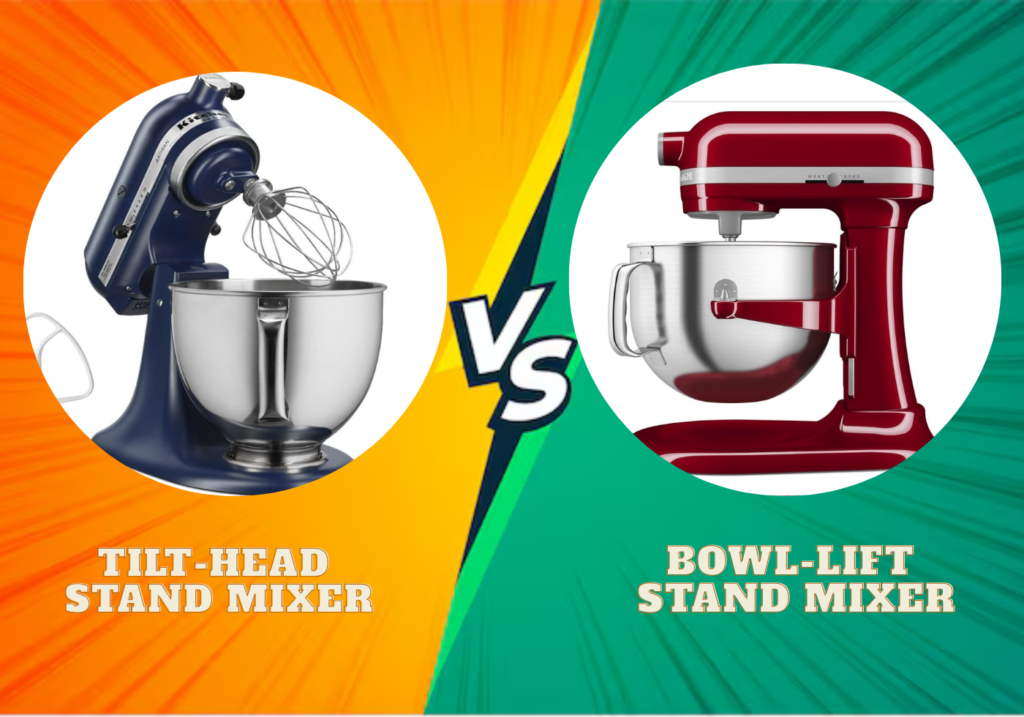
Before getting into the detailed differences, it helps to quickly look at a few well-known mixers that represent both styles.
Quick Look at Tilt Head vs Bowl Lift KitchenAid Mixers
Seeing a few common mixers side by side can make the tilt head vs bowl lift KitchenAid comparison easier to understand. These models represent typical examples of each design, from everyday home mixers to larger machines built for heavier dough.
| Product | Best For | Key Feature | Rating | Check Price |
|---|---|---|---|---|
| KitchenAid Artisan Series 5-Quart Tilt-Head Stand Mixer | Most home bakers | Flexible tilt-head design | ★★★★★ | Check Price on Amazon |
| KitchenAid Classic Series 4.5 Quart Tilt-Head | Beginners and smaller kitchens | Compact tilt-head mixer | ★★★★☆ | Check Price on Amazon |
| KitchenAid 7-Quart Bowl-Lift Stand Mixer | Frequent baking and bread dough | High-power bowl-lift system | ★★★★★ | Check Price on Amazon |
| KitchenAid NSF Certified Commercial Series 8-Qt Bowl-Lift | Very large batches | Commercial-grade mixing power | ★★★★★ | Check Price on Amazon |
What Is a Tilt Head Mixer?
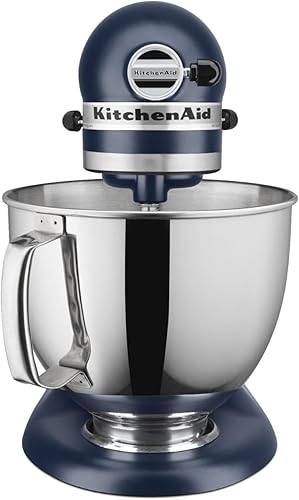
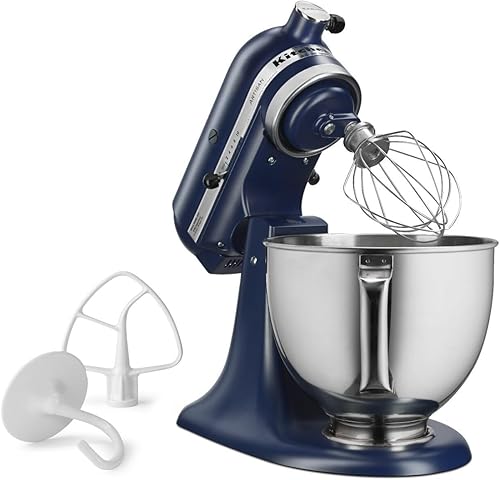
A tilt-head mixer works exactly the way the name suggests. The top section of the mixer — the motor head — tilts backward on a hinge. This gives you easy access to the bowl and attachments.
Many of the most popular KitchenAid mixers use this design. Well-known examples include the KitchenAid Artisan Series 5-Quart Tilt-Head Stand Mixer and the KitchenAid Classic Series 4.5-Quart Tilt-Head Mixer, both of which are commonly found in home kitchens.
These mixers are designed primarily for everyday baking tasks like cookies, cakes, frosting, and lighter doughs. Because of the tilt-head mechanism, the bowl area opens up completely once the head is lifted.
In everyday baking, the tilt-head design has a few advantages that people often appreciate.

- Easy access to the mixing bowl
- Simple attachment changes
- Comfortable for scraping ingredients during mixing
- Usually lighter and easier to move
When you tilt the head back, the bowl is completely open. That makes it very easy to add flour, sugar, chocolate chips, or other ingredients while the mixer is paused.
For casual baking — things like cookies, cupcakes, pancake batter, or whipped cream — the tilt-head design tends to feel very convenient.
Many home bakers also prefer this style because it feels more intuitive to use. The controls are simple, and mixers like the Artisan or Classic models are usually a bit smaller than the larger bowl-lift machines.
That said, tilt-head mixers do have some limitations.
The hinge mechanism means the head can move slightly when mixing very thick dough. It’s not dangerous, but when kneading heavy bread dough you might notice a little movement compared to more rigid designs.
This is one reason some serious bread bakers eventually look at bowl-lift mixers.
If you’re deciding between two of the most common tilt-head models, it may also help to look at a more detailed comparison of the Artisan and Classic mixers to understand how they differ in bowl size, power, and everyday usability.
What Is a Bowl Lift Mixer?
A bowl-lift mixer works a bit differently from the tilt-head style many home bakers are familiar with.
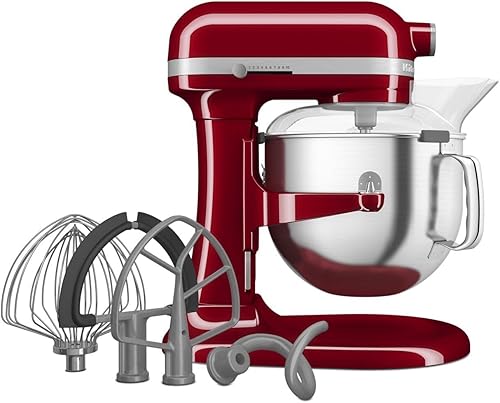
Instead of tilting the motor head backward, the head stays fixed in place. The mixing bowl attaches to two support arms on the sides of the machine, and a lever raises the bowl upward into the mixing position.
This design is commonly used in larger KitchenAid mixers, especially the models built for heavier mixing. For example, machines like the KitchenAid 7-Quart Bowl-Lift Stand Mixer or the KitchenAid NSF Certified Commercial Series 8-Quart Mixer both use this structure. These mixers are designed to handle larger batches and thicker dough without the mixer body shifting during mixing.
The main reason manufacturers use a bowl-lift design is stability.
Because the head is permanently fixed, the mixer can support stronger motors and heavier mixing loads. That becomes especially noticeable when kneading stiff bread dough or mixing large quantities of ingredients.
Many frequent bakers say bowl-lift mixers feel more solid during these kinds of tasks. The bowl locks firmly into place, and the frame of the mixer stays stable even when the dough starts to push back against the hook.


- Very stable during heavy mixing
- Often includes a stronger motor
- Designed for larger bowls
- Handles dense dough more comfortably
The trade-off is convenience. Accessing the bowl can feel slightly more cramped compared with a tilt-head mixer. You may need to lower the bowl to scrape the sides or add ingredients.
It’s not a major issue, but it does change how the mixer feels during everyday baking.
Tilt Head vs Bowl Lift KitchenAid: Key Differences
When comparing a bowl lift vs tilt head KitchenAid mixer, the real differences come down to three main areas: stability, capacity, and convenience.
1. Stability During Heavy Mixing
Bowl-lift mixers tend to feel more stable when mixing thick doughs.
The fixed head and dual-arm bowl support create a very rigid structure. That allows the machine to handle stronger motors without wobbling.
Tilt-head mixers are still sturdy, but the hinge design means there can be a bit of movement under heavy loads.
For occasional bread baking this usually isn’t a problem. But for large batches of dense dough, bowl-lift machines often feel more confident.
2. Bowl Capacity
Most tilt-head KitchenAid mixers fall in the 4.5-quart to 5-quart range.
Bowl-lift mixers typically start around 5.5 quarts and go up to 7 or even 8 quarts.
This difference matters more than people sometimes expect. Larger bowls allow you to mix bigger batches of dough or batter without ingredients climbing the sides.
If you regularly bake for large families or events, the extra capacity can be helpful.
3. Everyday Convenience
This is where tilt-head mixers usually shine.
The open bowl design makes it easy to add ingredients, swap attachments, and scrape down the bowl. For everyday baking tasks, that convenience adds up quickly.
Bowl-lift mixers work perfectly well, but they require slightly more steps during mixing.
Which Mixer Is Better for Bread Dough?
This is one of the most common questions people ask when researching the KitchenAid tilt head vs bowl lift debate.
Both styles can knead bread dough. But bowl-lift mixers usually handle heavy dough more comfortably.
There are a couple reasons for this.
First, bowl-lift mixers often have stronger motors. Second, the fixed head design reduces movement during kneading.
For occasional bread recipes — maybe a loaf once or twice a month — a tilt-head mixer like the KitchenAid Artisan usually works just fine.
For people who bake bread every week, especially denser dough like sourdough or bagels, a bowl-lift machine tends to feel more capable.
Which Mixer Is Better for Everyday Home Baking?
For many kitchens, tilt-head mixers remain the most practical choice.
They are typically smaller, lighter, and easier to use during everyday baking tasks.
Recipes like:
- cookies
- cake batter
- frosting
- whipped cream
- pancake batter
rarely require the extra power of a bowl-lift machine.
This is one reason the KitchenAid Artisan remains one of the most widely used stand mixers in home kitchens.
It strikes a comfortable balance between power and convenience.
Who Should Choose a Tilt Head Mixer?
A tilt-head mixer is usually a good choice for:
- casual home bakers
- people with smaller kitchens
- those who bake cookies and cakes more often than bread
- users who prefer easier access to the bowl
The design feels simple and intuitive, which is part of the reason it has remained popular for decades.
Who Should Choose a Bowl Lift Mixer?
A bowl-lift mixer often makes more sense for:
- frequent bread bakers
- large batch baking
- heavier dough recipes
- people who want maximum mixer stability
These machines are typically heavier and more powerful, which can make them feel closer to commercial kitchen equipment.
Tilt Head vs Bowl Lift Mixer: Is There a Price Difference?
Price is another factor that often comes up when comparing a tilt head vs bowl lift mixer. In general, tilt-head models tend to be more affordable, while bowl-lift mixers usually sit in a higher price range.
This difference mostly comes down to size and power. Tilt-head mixers are typically built for everyday home baking, with bowls around 4.5 to 5 quarts and motors designed for lighter to moderate workloads. Because of that, they are usually positioned as entry-level or mid-range stand mixers.
Bowl-lift mixers, on the other hand, are often designed for heavier mixing tasks. Many bowl lift vs tilt head KitchenAid mixer comparisons show that bowl-lift models include larger bowls, stronger motors, and more robust internal components. Those upgrades tend to increase the price.
For example, a typical KitchenAid tilt head vs bowl lift price comparison might look something like this:
- Tilt-head mixers: often around the mid price range for stand mixers
- Bowl-lift mixers: usually more expensive due to larger capacity and stronger motors
- Commercial bowl-lift models: often the highest priced in the lineup
That said, price alone does not necessarily mean one design is better. Many home bakers find that a tilt-head mixer already does everything they need for cookies, cakes, and occasional bread dough.
In contrast, people who bake frequently or work with heavier dough may find that spending more on a bowl-lift model makes sense in the long run. The extra power and stability can make demanding recipes much easier for the mixer to handle.
So when thinking about tilt head vs bowl lift KitchenAid, the price difference is really tied to the type of baking you plan to do most often.
Tilt Head vs Bowl Lift Mixer: Durability, Repairs, and Common Problems
One aspect that many buyers overlook in the tilt head vs bowl lift mixer discussion is long-term durability. Stand mixers are often used for years, sometimes decades, so it helps to understand how the two designs behave over time.
Both mixer styles can last a very long time when used properly. However, the internal structure and mixing mechanism can affect how they handle heavy workloads.
Hinge Wear in Tilt-Head Mixers
Tilt-head mixers rely on a hinge mechanism that allows the motor head to tilt backward for easy access to the bowl. This design is very convenient for everyday baking, but the hinge also becomes the main stress point when mixing thick dough.
With dense dough recipes — such as bagels or stiff bread dough — some users notice the mixer head moving slightly during mixing. This movement does not necessarily mean the mixer is broken, but it can indicate the machine is working near its limits.
In heavy use situations, the hinge area may require occasional adjustment or servicing. Many owners simply reserve tilt-head mixers for lighter tasks like cake batter, cookies, or frosting.
Structural Stability of Bowl-Lift Mixers
Bowl-lift mixers avoid the hinge design entirely. The motor head remains fixed while the bowl is raised into position using a side lever.
This structure creates a more rigid frame, which is one reason bowl-lift machines are often used for larger batches or bread dough. The fixed head and support arms keep the bowl firmly locked during mixing, which helps reduce vibration and stress on the mixer body.
Because of that stability, bowl-lift mixers tend to tolerate heavier workloads over time. Many avid bakers prefer this design when they plan to knead dough regularly.
Common Maintenance Issues
Regardless of whether you choose a tilt head vs bowl lift KitchenAid, a few maintenance issues are fairly common across most stand mixers.
- Beater height adjustment may drift over time
- Grease inside the gear housing can separate if the mixer sits unused for long periods
- Plastic sacrificial gears may wear out after years of heavy mixing
Interestingly, that last point is actually intentional. Many stand mixers include a “sacrificial gear” designed to fail before the motor does. Replacing that gear is usually inexpensive and much easier than repairing the motor itself.
Small adjustments can also solve mixing problems. For example, if the beater stops reaching the bottom of the bowl properly, a simple alignment adjustment — sometimes called the “dime test” — can restore proper mixing performance.
Which Design Is Easier to Maintain?
In practice, both designs are fairly repairable. KitchenAid mixers are well known for having widely available parts, which helps extend their lifespan.
However, bowl-lift mixers generally experience less mechanical stress during heavy mixing because the head does not move. For people who bake bread frequently, that extra structural stability can help the machine age more gracefully.
For lighter everyday baking, though, tilt-head mixers still hold up very well and are often easier to use in daily cooking.
Final Thoughts on Tilt Head vs Bowl Lift Mixer
The tilt head vs bowl lift mixer discussion often sounds like one design must be superior to the other. In reality, both exist because they solve slightly different problems.
Tilt-head mixers prioritize accessibility and everyday convenience. Bowl-lift mixers prioritize stability and mixing power.
For many home kitchens, the tilt-head design is more than capable of handling daily baking tasks.
But for serious bread baking or very large batches, the bowl-lift structure can feel noticeably stronger.
The best choice usually depends less on the mixer itself and more on the kind of baking you actually do most often.
