Manual vs Electric Vegetable Chopper is a common comparison for home cooks who want to make meal preparation faster and more efficient. Chopping vegetables is one of the most frequent tasks in the kitchen, but it can also be one of the most time-consuming. From onions and peppers to carrots and cucumbers, preparing ingredients for everyday meals often requires patience, knife skills, and plenty of cutting board space.
This is why many home cooks look for tools that can simplify the process. Today, the two main options are manual vegetable choppers and electric vegetable choppers. While both are designed to reduce prep time, they work in very different ways and are suited for different types of kitchens.
Manual choppers typically use a push, press, or pull mechanism that forces vegetables through sharp grid blades. They are compact, affordable, and popular for quick everyday chopping tasks. Electric choppers, on the other hand, rely on a motorized blade system that can process larger quantities of ingredients with minimal effort.
In this guide, we’ll take a closer look at the manual vs electric vegetable chopper debate by comparing their speed, convenience, cleaning requirements, and overall usability. The goal is to help you understand which type of chopper makes the most sense for your cooking habits and kitchen setup.
Quick Comparison: Manual vs Electric Vegetable Chopper
| Feature | Manual Chopper | Electric Chopper |
|---|---|---|
| Power Source | Hand operated | Electric motor |
| Speed | Fast for small batches | Very fast for large batches |
| Ease of Use | Requires manual pressure | Fully automated |
| Cleaning | Usually easier to clean | More parts to clean |
| Price | Typically $15–$30 | Typically $25–$80+ |
| Best For | Quick everyday chopping | Heavy food prep |
Best Manual Vegetable Choppers
Manual choppers are incredibly popular because they are affordable, compact, and easy to clean. They’re perfect for people who cook regularly but don’t want to deal with bulky appliances.
| Product | Key Feature | Rating | Check Price |
|---|---|---|---|
| Fullstar Vegetable Chopper | Multiple blade attachments | ★★★★★ | Check Price on Amazon |
| Brieftons QuickPush Food Chopper | Large container capacity | ★★★★★ | Check Price on Amazon |


Why Choose a Manual Vegetable Chopper?
- No electricity required
- Very compact and easy to store
- Usually cheaper than electric models
- Simple design with fewer parts
- Great for quick everyday cooking
Manual choppers are especially useful for chopping onions, tomatoes, cucumbers, peppers, and other common vegetables. They work best when preparing small to medium quantities of ingredients.
Best Electric Vegetable Choppers
Electric vegetable choppers are designed for convenience and speed. With the push of a button, a motor powers the blades to chop ingredients automatically.
| Product | Key Feature | Rating | Check Price |
|---|---|---|---|
| BLACK+DECKER Electric Food Chopper | 150W powerful motor | ★★★★★ | Check Price on Amazon |
| Cuisinart Mini Prep Food Processor | Compact electric processor | ★★★★★ | Check Price on Amazon |
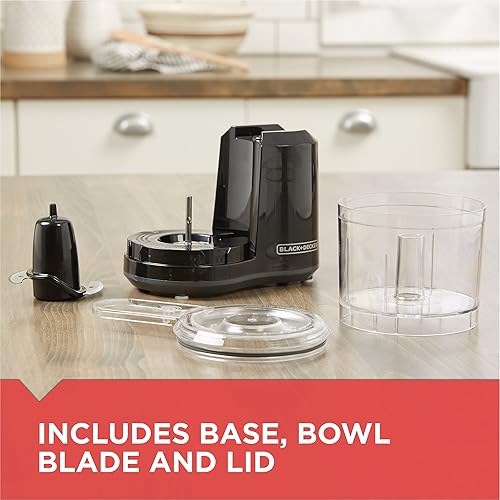
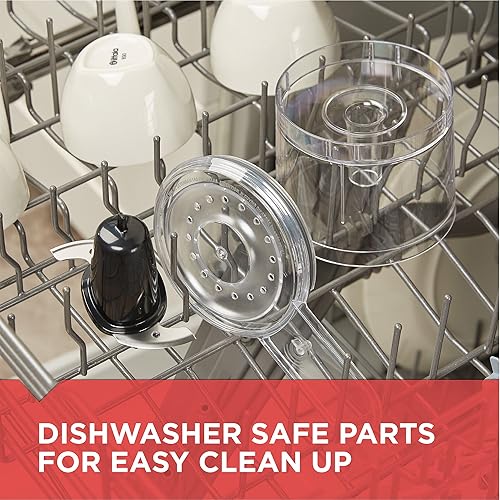
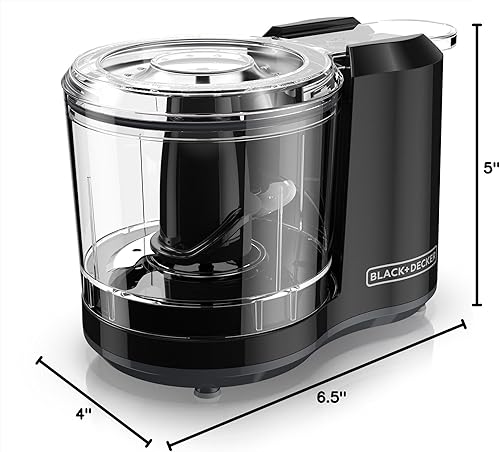
The BLACK+DECKER Electric Food Chopper is a compact kitchen tool designed for quick everyday food prep. With its 150-watt motor and simple one-touch operation, it handles small chopping tasks like onions, garlic, herbs, and soft vegetables with very little effort.
What makes this model appealing for many home kitchens is its simplicity. The bowl size is small enough to store easily, yet large enough for common meal prep tasks such as salsa ingredients, salad toppings, or quick vegetable chopping for weeknight cooking. The stainless-steel blade also does a good job creating consistent results when processing small batches.
In real-world use, this chopper works best for light to moderate food prep rather than heavy processing. If you regularly cook for one or two people and want a quick way to speed up chopping without pulling out a full food processor, it’s a practical and affordable option that fits easily into most kitchens.


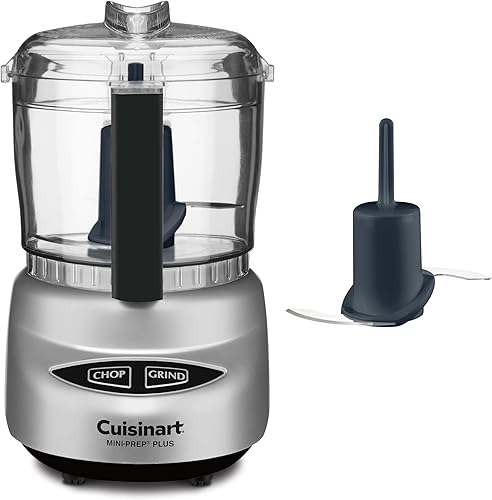
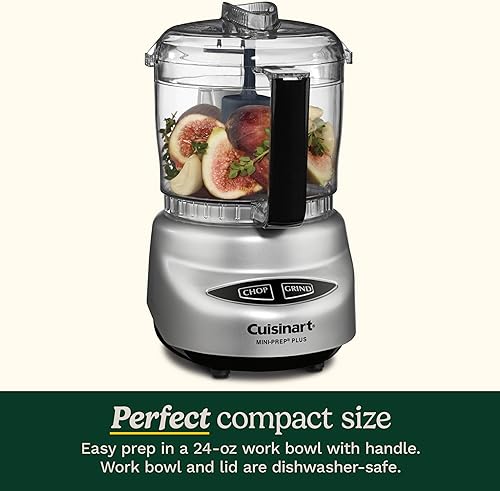
The Cuisinart Mini Prep Food Processor is a compact electric chopper designed for quick, small-batch food preparation. Its small footprint makes it a good fit for kitchens where counter space is limited, while still providing enough power to handle everyday tasks like chopping garlic, herbs, onions, and soft vegetables.
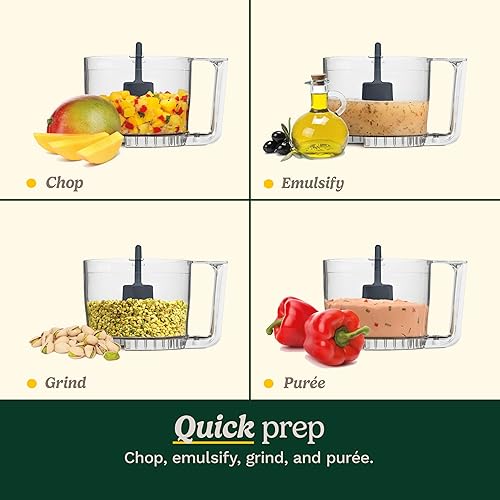
One of the standout features of this model is its simple two-function control system. The processor typically offers separate chop and grind settings, allowing the blade to reverse direction depending on the task. This design helps it chop vegetables, purée ingredients, or grind items like nuts and spices more effectively than many basic choppers.
In practical kitchen use, the Cuisinart Mini Prep works especially well for sauces, dips, dressings, and small ingredient batches. Its bowl capacity is usually around three cups, which is ideal for quick prep jobs without needing to set up a full-size food processor.
For home cooks who want a reliable electric chopper that is easy to store, easy to clean, and fast enough for everyday cooking tasks, the Cuisinart Mini Prep is a simple but very practical option.



Why Choose an Electric Vegetable Chopper?
An electric vegetable chopper is designed for speed, convenience, and efficiency in the kitchen. Instead of applying manual pressure or repeatedly pulling a cord, the built-in motor powers the blades automatically, allowing you to chop ingredients with the press of a button. For many home cooks, this significantly reduces preparation time and physical effort, especially when cooking for families or preparing large meals.
- Extremely fast chopping: Electric choppers use powerful motors that spin the blades at high speeds, allowing them to process vegetables in seconds. This is especially helpful when preparing large quantities of onions, peppers, carrots, or herbs.
- Minimal physical effort: Unlike manual choppers that require pressing or pulling, electric models do most of the work for you. This makes them a great option for people who cook frequently or want to reduce strain on their hands and wrists.
- Great for large batches: If you often cook for a family, host gatherings, or do weekly meal prep, electric choppers can handle larger volumes of ingredients quickly without requiring repeated manual effort.
- Can handle tougher ingredients: The motor-powered blades can process harder vegetables such as carrots, potatoes, nuts, and even small amounts of meat much more easily than most manual choppers.
- More consistent results: Because the blades spin at a constant speed, electric choppers often produce very even cuts. This helps improve both cooking consistency and the presentation of dishes like salads, salsas, and stir-fries.
Overall, electric vegetable choppers are an excellent choice for people who cook regularly, prepare large quantities of food, or simply want the convenience of faster and more effortless food preparation.
Manual vs Electric Vegetable Chopper: Key Differences
When comparing manual and electric vegetable choppers, the differences become clear once you look at real customer feedback and everyday kitchen use. Both tools are designed to save time during food preparation, but they perform differently depending on how often you cook, the quantity of ingredients you prepare, and how much convenience you want in your kitchen routine.
1. Convenience
Many customers say electric choppers are the most convenient option because they require almost no effort. With a simple press of a button, the motor spins the blades and chops ingredients automatically. This is particularly helpful when preparing large meals or when dealing with tougher vegetables like carrots or sweet potatoes.
However, user reviews also highlight that manual choppers can feel more convenient for quick everyday tasks. There’s no need to plug anything in, assemble a motor base, or deal with electrical components. For chopping a single onion or a few vegetables for a salad, many home cooks find that manual choppers are actually faster to grab and use.
2. Speed
Electric choppers clearly have the advantage when it comes to processing large quantities of food. Because the blades spin at high speed, they can chop vegetables in seconds and handle larger batches without repeated effort. This is why many users who meal prep or cook for families prefer electric models.
That said, customer reviews often mention that manual choppers are surprisingly fast for smaller tasks. Since they require almost no setup time, you can quickly dice an onion or chop vegetables for a simple dish without taking out a full appliance.
3. Cleaning
Cleaning is one area where manual choppers tend to receive higher satisfaction from users. Most models have only a few detachable parts — typically the blade grid, lid, and container — which can be rinsed quickly or placed in the dishwasher.
Electric choppers often involve more components, including a motor base that cannot be submerged in water. While many electric bowls and blades are dishwasher-safe, customers frequently note that cleaning them takes slightly more care and time compared to simple manual choppers.
4. Price
Price is another major difference that shows up clearly in customer purchasing decisions. Manual vegetable choppers are generally much more affordable, with many highly rated models available for under $30. Because they don’t require motors or electrical components, they can offer excellent value for everyday cooking.
Electric choppers tend to cost more due to the built-in motor, additional components, and higher processing power. While many users feel the extra cost is worth it for convenience, budget-conscious buyers often choose manual choppers because they provide reliable performance at a lower price point.
5. Storage
Kitchen space is another factor that appears frequently in customer reviews. Manual choppers are typically compact and lightweight, making them easy to store in small cabinets or drawers. This makes them especially appealing for people with smaller kitchens or limited counter space.
Electric choppers, on the other hand, are larger because they include a motor housing and additional parts. While still smaller than full food processors, they usually require dedicated cabinet space and may not be as convenient to store in tight kitchens.
Which One Is Better for Your Kitchen?
Choosing between a manual and an electric vegetable chopper really comes down to how you cook at home. Both tools are designed to simplify food preparation, but they solve the problem in slightly different ways. Understanding how they perform during everyday meal prep can make it much easier to decide which one fits your kitchen best.
For many home cooks, a manual chopper is often the more practical starting point. These tools are simple, compact, and surprisingly effective for routine tasks such as dicing onions, chopping tomatoes, or preparing vegetables for salads and stir-fries. Because they don’t rely on electricity, they’re easy to store, quick to set up, and typically much easier to clean after cooking.
Manual choppers also tend to work especially well for small to medium batches of ingredients. If your daily cooking involves quick meal prep rather than large food processing jobs, a manual chopper can often handle everything you need while taking up very little space in the kitchen.
Electric vegetable choppers, on the other hand, are built for convenience and volume. If you frequently cook for larger families, prepare big batches of ingredients for meal prep, or simply want the fastest possible results, an electric model can significantly reduce the effort required. With a motorized blade system, these tools can process vegetables quickly and consistently with minimal manual work.
Another factor worth considering is food handling and kitchen hygiene. Whenever you’re preparing fresh vegetables, it’s important to keep cutting tools clean and follow basic safe food preparation practices. Resources like the CDC’s food safety guidelines offer helpful information on proper food handling, cross-contamination prevention, and safe preparation practices in home kitchens.
Final Verdict
Both manual and electric vegetable choppers can be extremely useful tools, but they serve slightly different purposes depending on your cooking habits.
Manual vegetable choppers are ideal for everyday cooking. They’re affordable, easy to clean, and perfect for quick chopping tasks such as preparing onions, peppers, cucumbers, or salad ingredients. For many kitchens, a simple manual chopper provides all the speed and convenience needed for daily meal prep.
Electric vegetable choppers, however, offer greater power and efficiency when you need to process larger quantities of ingredients. They’re especially helpful for batch cooking, meal prepping for the week, or preparing large dishes that require a lot of chopped vegetables.
In many households, the most practical solution is actually using both. A compact manual chopper can handle quick everyday tasks, while an electric chopper can step in when you need to process larger amounts of food.
Whichever option you choose, investing in a well-designed vegetable chopper can dramatically reduce preparation time and make cooking more efficient. For many home cooks, it’s one of the simplest tools that can noticeably improve the daily cooking experience.
About KitchenDict
KitchenDict is built to be more than a typical review website—it’s a living encyclopedia of kitchen tools and cooking gadgets. Our team spends hundreds of hours researching, comparing, and analyzing products used in real kitchens, from everyday vegetable choppers to advanced cookware and appliances. By combining long-term market observation with practical testing and detailed product analysis, KitchenDict helps home cooks understand what truly works and what doesn’t. Think of it as a modern dictionary of kitchen gear—where every guide, comparison, and review is designed to help you choose smarter tools and cook with more confidence.
