KitchenAid stand mixers are widely regarded as some of the most reliable and versatile kitchen appliances available today. Known for their powerful motors, durable metal construction, and iconic design, KitchenAid mixers have earned a reputation as a long-term investment for serious home cooks and baking enthusiasts alike.
For decades, these stand mixers have helped people simplify complex kitchen tasks. From mixing cookie dough and whipping cream to kneading pizza dough or preparing fresh bread, a KitchenAid stand mixer can handle a wide range of food preparation jobs with remarkable efficiency. The machine’s planetary mixing action ensures that ingredients are thoroughly incorporated, resulting in consistent textures and better baking results.
However, owning a KitchenAid mixer is only part of the equation. To get the best performance from the appliance, it is important to understand how the different speed settings work. Each speed is designed for a specific type of mixing task. Using the correct speed can make the difference between a perfectly smooth batter and an overmixed or messy bowl.
While technique and recipe quality certainly play a role in the final result, the speed setting you choose often has an even greater impact on how your doughs, batters, and whipped mixtures turn out. Understanding when to use slow mixing speeds versus high whipping speeds allows you to take full advantage of what a KitchenAid stand mixer can do.
The guide below explains the most common KitchenAid mixer speed settings and how to use them properly in everyday cooking and baking.
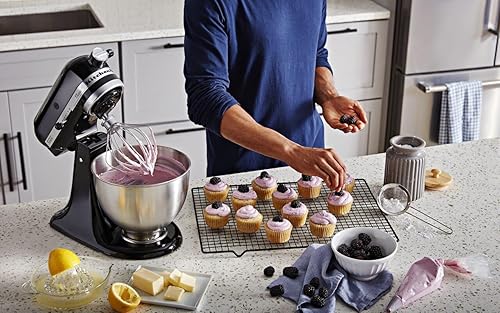
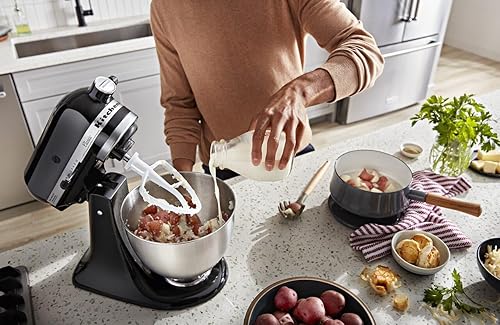
Most KitchenAid stand mixers come with at least 10 speed settings, although some newer or larger models may offer up to 12 speeds. These speed levels allow you to gradually increase the mixing power depending on the ingredients and recipe you are working with.
Understanding these speeds will help you avoid common mistakes such as overmixing batter, splattering ingredients around the kitchen, or damaging delicate mixtures. Below is a breakdown of the most commonly used KitchenAid mixer speeds and what they are typically used for.
Stir Speed
The Stir setting is the slowest speed on a KitchenAid stand mixer. It is specifically designed for gently combining ingredients without creating splashes or messes. This setting is especially helpful when adding dry ingredients such as flour, cocoa powder, or sugar to a mixture.
The Stir speed is also useful when incorporating liquids into dry mixtures or when beginning a mixing process. Starting at this low speed helps prevent ingredients from flying out of the bowl and ensures that everything blends smoothly before increasing the speed.
Speed 2
Speed 2 is slightly faster than the Stir setting but still considered a slow mixing speed. This setting is commonly used for mixing heavier ingredients and beginning the dough preparation process.
Many baking experts recommend using speed 2 when kneading yeast doughs such as bread, pizza dough, or dinner rolls. It can also be used for mixing thicker batters, blending butter into dry ingredients, or preparing mashed potatoes.
Speed 4
Speed 4 is a medium mixing speed that works well for batters that require a bit more power. At this speed, the mixer can efficiently combine ingredients while still maintaining good control over the texture of the mixture.
This speed is ideal for mixing cake batter, creaming butter and sugar together, or combining ingredients that require a moderate amount of aeration.
Speed 6
Speed 6 is used for beating and creaming ingredients more vigorously. At this level, the mixer generates enough speed to incorporate air into mixtures, which is essential for certain baking recipes.
This speed is commonly used when whipping frosting, creaming butter for cookies, or beating eggs into batter. Some KitchenAid attachments, such as certain juicer accessories, may also recommend using speed 6 for optimal performance.
Speed 8
Speed 8 is designed for whipping lighter mixtures at a fast rate. It is commonly used when whipping egg whites, heavy cream, or preparing fluffy frosting.
This speed creates a significant amount of aeration, which helps produce light textures and stable peaks in whipped ingredients.
Speed 10
Speed 10 is typically the highest speed available on most KitchenAid stand mixers. It is primarily used for whipping and beating light mixtures that require maximum aeration.
This speed works well for whipping cream, beating egg whites into stiff peaks, or quickly mixing thin batters. However, it should not be used with heavy doughs or thick mixtures, as the motor may struggle to maintain consistent speed under heavy loads.
Tips for Choosing the Right KitchenAid Mixer Speed
Although the numbered speed settings make it easy to adjust mixing power, using the correct speed for the right task is essential for achieving the best results.
When preparing dough, it is generally recommended to stay at Stir or Speed 2. Higher speeds can overwork the dough and may even strain the mixer’s motor. For delicate mixtures such as whipped cream or egg whites, higher speeds are more appropriate because they help incorporate air quickly.
Another important rule is to always start your mixer at the lowest speed before gradually increasing it. Starting at a high speed can cause ingredients to splash out of the bowl and create unnecessary mess.
If you are using attachments such as pasta rollers, slicers, or grinders, always check the recommended speed for that specific accessory. Each attachment works best at certain speeds and following these recommendations helps maintain performance and longevity.
Finally, remember that different KitchenAid models may offer slightly different speed ranges. Some stand mixers feature 10 speeds, while others include additional speed levels for more precise control.
Understanding how each KitchenAid mixer speed works can make a significant difference in your cooking and baking results. Using the correct speed not only improves texture and consistency but also helps protect your mixer from unnecessary strain. Once you become familiar with these settings, you will be able to mix doughs, batters, and whipped ingredients more efficiently and with greater confidence.
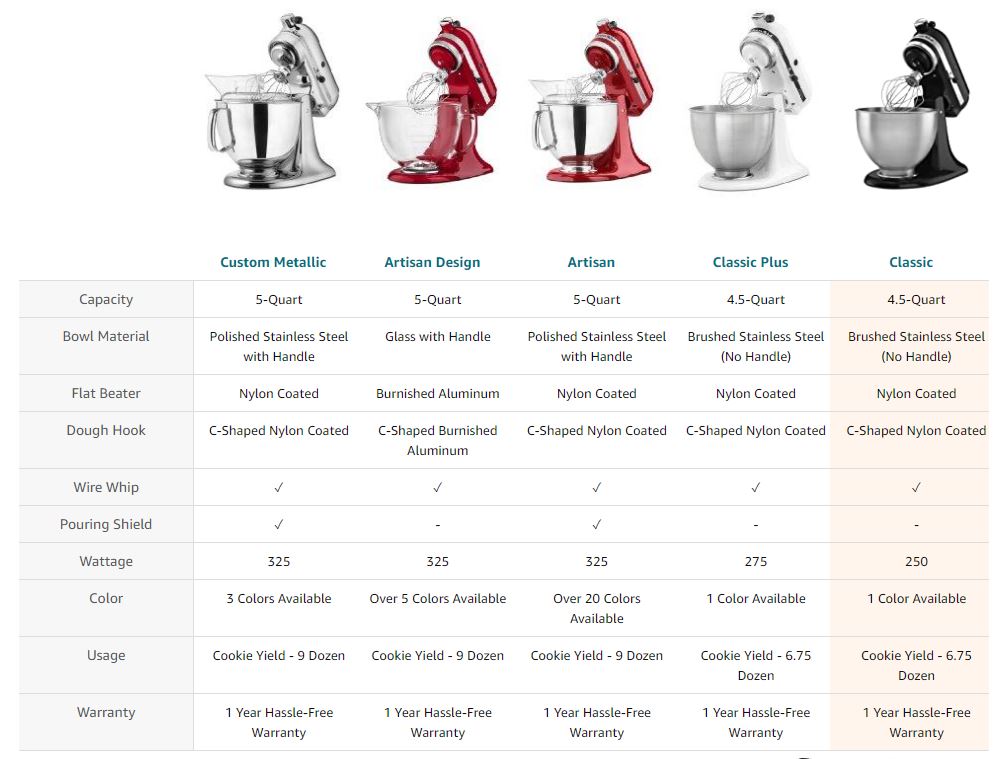
If you are still deciding which stand mixer to buy, it is worth comparing different models and features before making a purchase. Some mixers offer additional speeds, larger bowl capacities, or more powerful motors depending on your cooking needs. You can explore our detailed guide to the best stand mixers to see the top-rated models, key features, and expert recommendations to help you choose the right one for your kitchen.
