The Hamilton Beach Professional stand mixer is one of those products that looks a little more serious than you expect at first glance. Metal body, 5-quart bowl, 12 speeds—it checks a lot of boxes that usually make people pause and think, “Okay, maybe this is a step up.”
But once you get past the surface, it starts to feel less like a “professional” tool and more like a practical, slightly upgraded home mixer that’s trying its best to punch above its weight.
That’s not necessarily a bad thing. In fact, for a lot of kitchens, that’s exactly the kind of mixer that ends up getting used the most. Still, it’s worth talking through what it actually feels like to live with—not just what it promises.
First Impressions: Better Than Cheap, Not Quite Premium
The all-metal body is probably the first thing that stands out. And yeah, it does make a difference. If you’ve used those lighter plastic mixers before, this one immediately feels more planted. Less rattly. Less “toy-like.”
That said, it doesn’t magically turn the mixer into something luxurious. The finish is decent, but you can still tell where costs were kept in check. It’s more “solid for the price” than “wow, this feels expensive.”
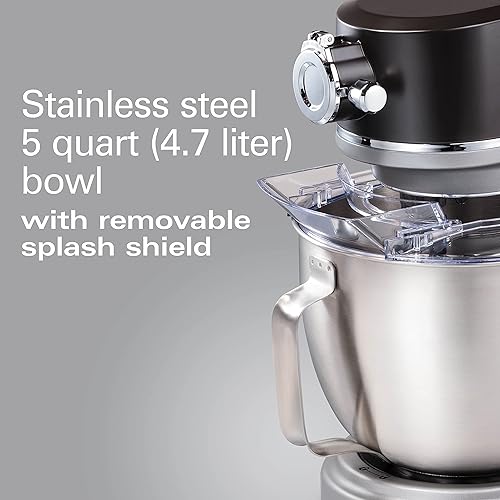
The 5-quart bowl hits a nice middle ground. Big enough for most baking projects, but not so oversized that it feels awkward when you’re just mixing a simple batch of cookies on a random Tuesday night. That balance matters more than people think.
What It’s Actually Like to Use
For everyday baking, this mixer mostly does what you’d expect—and that’s kind of the point.
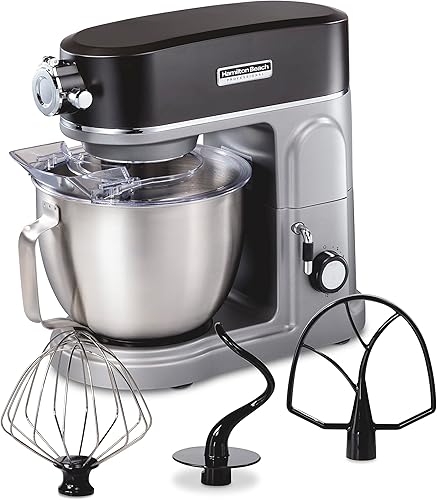

Cookie dough? Fine. Cake batter? Easy. Whipped cream? No problem, as long as you don’t walk away and forget about it. It’s the kind of machine that handles normal kitchen tasks without drama, which honestly makes it more useful than something overly complicated.
The 12 speeds sound impressive, but in practice, you’ll probably stick to a few of them. Lower speeds are helpful for keeping flour from flying everywhere (always appreciated), and the higher ones get the job done, though they can feel a bit aggressive if you’re not paying attention.
One small thing that stood out during research: bowl usability. It’s not something people talk about enough, but it comes up in reviews a lot. This one seems fairly easy to work with—deep enough for larger mixes, but not annoyingly narrow or hard to scrape. That alone makes it feel more practical than some bigger, clunkier bowls.
Attaching and removing parts is mostly straightforward, though not especially smooth. It’s fine. Just not one of those mixers where everything clicks into place with that satisfying, precise feel.
Where It Starts to Show Its Limits
This is where things get a bit more honest.
The Hamilton Beach Professional is not a powerhouse. It can handle dough, sure—but there’s a difference between “can handle” and “feels comfortable doing it.”
Thicker bread dough or large batches are where you might notice some strain. Nothing dramatic, but enough to make you think twice if you bake bread all the time. It’s more of a “weekend baking” mixer than a “let’s run this hard every day” kind of machine.
Noise is another thing. It’s not outrageously loud, but it’s not subtle either. If you’re expecting something smooth and quiet, this isn’t that. It’s more in the “yeah, that’s a mixer running” category.
And the 12 speeds? Helpful, but they don’t fix everything. If the motor feels a bit stretched during heavier mixing, more speed options won’t really change that.
The Attachment Hub: Nice Idea, Maybe Overrated
The attachment hub is one of those features that sounds great in theory.
In reality, it depends entirely on the person using it. Some people love expanding their setup over time. Others never go beyond the included attachments.
If you’re the second type (which, honestly, a lot of people are), the hub doesn’t add much day-to-day value. It’s there, which is nice—but it probably shouldn’t be the reason you buy this mixer.
Build Quality Details That Actually Matter
There’s more to build quality than just “metal vs plastic,” and this is where things get a little more nuanced.
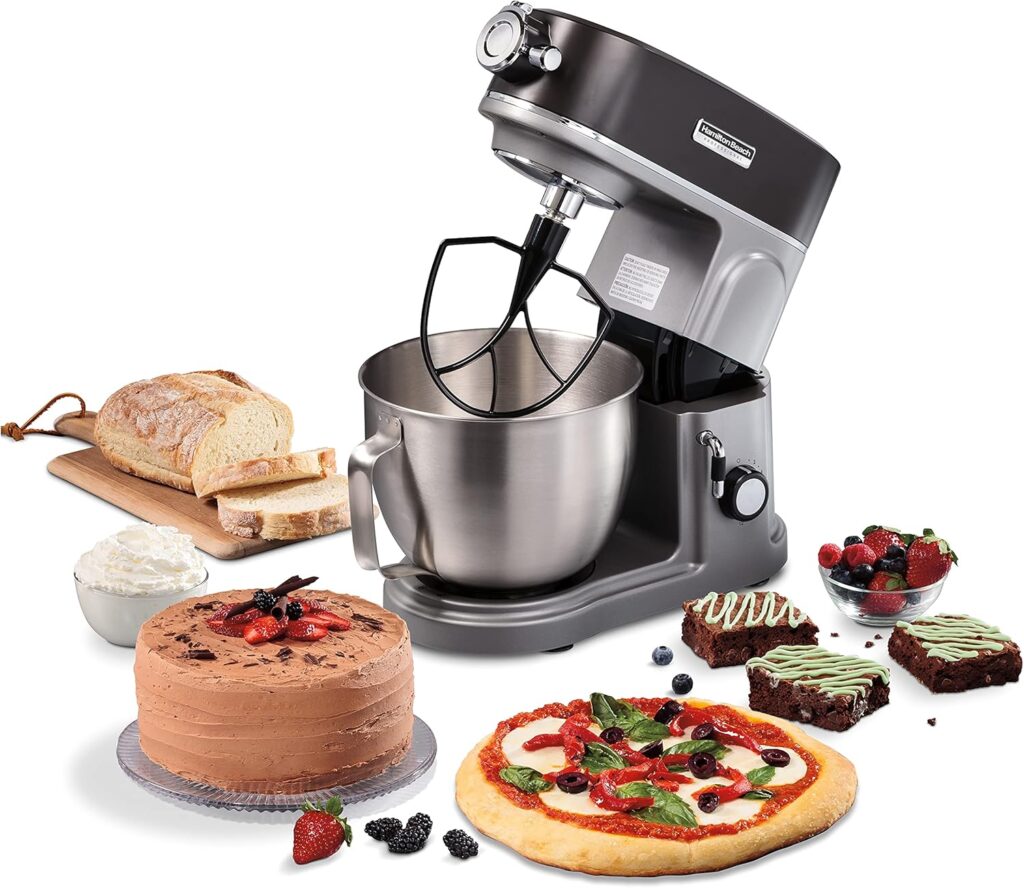
Yes, the metal body helps. It keeps the mixer more stable, especially when things get thick in the bowl. That alone is a big upgrade over cheaper models.
But once you start paying attention to the smaller details—controls, attachment fit, how everything lines up—you start to notice that it’s still a budget-conscious design. Nothing feels terrible, but not everything feels refined either.
Cleanup is fairly standard. Not difficult, not especially clever. Just… normal. Which is fine. Most people just want something that doesn’t turn into a chore after baking, and this clears that bar.
How It Stacks Up Against a Few Other Budget-Friendly Mixers
Seeing the differences side by side helps a lot here, because the Hamilton Beach Professional sits in an awkward middle spot. It feels more serious than the really compact budget mixers, but it still stops short of feeling truly premium. The table below gives a better sense of where it lands.
| Feature | Hamilton Beach Professional Stand Mixer Model Reviewed | Kitchen in the Box 3.2Qt Mini Stand Mixer | Acekool 7.5QT Stand Mixer |
|---|---|---|---|
|
Design
A quick visual look at each mixer’s overall size, shape, and layout. |
 |
 |
 |
|
Bowl Capacity
How much each mixer can handle before it starts feeling cramped or impractical for everyday baking. |
5 quart | 3.2 quart | 7.5 quart |
|
Speed Settings
More speeds can help with control, though they do not automatically fix weak mixing performance. |
12 speeds | 6 speeds | 10 speeds |
|
Best Fit
The kind of buyer each mixer makes the most sense for. |
Regular home bakers who want a sturdier everyday mixer | Small kitchens, light baking, and occasional use | People who want more bowl space for bigger batches |
|
Main Trade-Off
What you are giving up in exchange for the price and feature set. |
More solid than cheap mixers, but still not as refined as true premium models | Compact and affordable, but capacity feels limited pretty quickly | Large on paper, though it may still feel like a budget mixer in daily use |
If I had to sum it up bluntly, the Hamilton Beach Professional is probably the safest middle pick here. The Kitchen in the Box is easier to justify for tiny kitchens or very casual baking, while the Acekool looks appealing if you mainly care about capacity. But for a lot of people, the Hamilton Beach lands in the more realistic sweet spot.
Want a More Detailed Breakdown? This Might Help
If you’re still on the fence, it’s probably because this mixer sits in that slightly confusing middle ground. It looks more serious than entry-level options, but it doesn’t quite behave like a true high-end machine either.
That’s actually something I’ve seen come up a lot when comparing Hamilton Beach mixers in general. They’re usually designed to cover everyday mixing—cakes, cookies, lighter dough—without pushing too far into heavy-duty territory.
If you want a more step-by-step breakdown of how the different Hamilton Beach models behave in real kitchen use (including where they feel surprisingly good and where they fall short), this guide goes deeper into it:
Read the full Hamilton Beach electric stand mixer breakdown here
It’s worth checking if you’re trying to figure out whether this is a “good enough and practical” kind of buy—or if you’re the type who will eventually wish you went for something stronger.
Comparing the Main Hamilton Beach Stand Mixer Versions
If you are only looking at Hamilton Beach models, the decision gets a little cleaner. The biggest difference is not just capacity or speed count. It is really about what kind of baking you do and how much strain you expect the mixer to handle without feeling out of its depth.
| Feature | Hamilton Beach Professional 5 Quart Model Reviewed | Hamilton Beach Electric Stand Mixer 4 Quart | Hamilton Beach Classic Hand/Stand Mixer |
|---|---|---|---|
|
Design
A quick look at how each model is built and what kind of kitchen use it seems made for. |
All-metal body, more serious countertop mixer feel | Standard tilt-head stand mixer design for everyday baking | Light-duty hybrid design that works as both a hand mixer and stand mixer |
|
Bowl Capacity
How much each mixer can handle before batches start to feel cramped. |
5 quart | 4 quart | Usually better for smaller batches |
|
Speed Settings
Extra speeds can help with control, though they do not automatically mean better mixing power. |
12 speeds | 7 speeds | Typically fewer speeds and simpler control |
|
Best For
The kind of buyer each version makes the most sense for in real kitchen use. |
Regular home bakers who want a sturdier mixer for cookies, cakes, and occasional dough | Casual bakers who want a simpler stand mixer without spending too much | Very light mixing jobs, small kitchens, or people who do not bake often |
|
What Stands Out
The feature or quality that most clearly separates each version from the others. |
Feels more stable and less entry-level than the other Hamilton models | More approachable price and simpler setup | More flexible if you still want hand mixer convenience |
|
Main Trade-Off
What you are giving up in exchange for the lower price or simpler design. |
Better built, but still not quite as refined as more premium stand mixers | Feels more basic once you start making thicker dough or larger batches | Least confidence-inspiring for heavier batters or more demanding baking |
If I had to put it simply, the Hamilton Beach Professional 5 Quart is the one that makes the most sense for people who bake often enough to care about stability and bowl size. The 4 Quart Electric Stand Mixer is more of a casual option. And the Hand/Stand Mixer is really for lighter jobs, or for people who want something compact and do not expect much from it.
Who This Mixer Actually Works For
This feels like a good fit for someone who bakes regularly but not obsessively.
If you’re making cookies, cakes, maybe some bread here and there, and you want something more stable than a hand mixer, this makes sense. It’s a noticeable upgrade without being a huge financial leap.
It’s also a decent pick for people who care more about practicality than brand prestige. Not everyone needs a mixer that doubles as a kitchen centerpiece. Some just want something that works and doesn’t feel disposable.
Who Might Want Something Else
If you bake a lot—like, really a lot—or you’re serious about bread making, you might outgrow this pretty quickly.
It’s also not ideal if you’re picky about how a machine feels. If you notice things like vibration, sound, or how smoothly attachments connect, you may find this one a bit rough around the edges.
And for small batches, it’s… okay. Not amazing. Some mixers handle tiny quantities better, and this isn’t particularly known for that.
So… Is It Actually Worth Buying?
This is one of those mixers where the answer isn’t a clean yes or no—it really depends on how you picture yourself using it a few months from now, not just on day one.
If you’re coming from a hand mixer or one of those really lightweight stand mixers that feel like they might tip over if the dough gets a little too thick, this will feel like a meaningful upgrade. Not dramatic, not life-changing—but noticeable. It’s steadier, more capable, and a lot less frustrating when you’re dealing with bigger batches.
At the same time, there’s a ceiling here. You start to notice it when recipes get heavier, or when you expect the machine to feel smoother, quieter, more “effortless.” That’s where it reminds you it’s still a mid-range mixer, even if the name leans a bit ambitious.
What makes it worth it for some people is that it doesn’t overreach. It’s not pretending to replace a high-end mixer in every situation. It’s more like: here’s a machine that can handle most everyday baking without falling apart or feeling disposable—and it does that pretty reliably.
But if you’re the kind of person who bakes a lot of bread, pushes your mixer hard, or just tends to notice every small detail (sound, vibration, how attachments fit), you might hit that limit sooner than you expect.
So yeah, it’s worth it—but mostly for people who stay within its comfort zone.
Final Thoughts
The Hamilton Beach Professional doesn’t really try to impress you after the first impression—and oddly, that’s part of its appeal.
It settles into the background of your kitchen. You pull it out, it works, you clean it, and you move on. No drama, no big “wow” moments either. Just consistent, mostly reliable performance.
There are a few rough spots. You’ll probably notice them eventually. Maybe it’s the noise, maybe it’s how it handles thicker dough, maybe it’s just that slightly less refined feel compared to more expensive mixers. None of those are deal-breakers, but they’re there.
Still, for everyday baking—cookies, cakes, the occasional bread attempt—it holds up in a way that feels practical rather than exciting. And honestly, for a lot of kitchens, that’s exactly what ends up mattering most.
It’s not the mixer you buy to impress yourself. It’s the one you buy because you know you’ll actually use it.
