KitchenDict

TOOLS THAT WORK. GUIDES THAT HELP

  • Stand Mixer
    • Best Stand Mixer Under $200 (2026 Guide)
    • Best Stand Mixer Vegetable Slicer Attachments
    • Best Kitchen Stand mixer review 2025
    • Hand Mixer
      • Best Hand Mixer: Top Picks Worth Considering
  • Kitchen Tools
    • Best Vegetable Chopper with Container (2026 Guide)
    • Best Stainless Steel Garlic Press (2026 Guide)
  • Other Kitchen Appliances
    • Blender
    • Toaster Oven
    • Air Fryer
      • Best Air Fryer for Small Kitchen
  • Buying Guides

KitchenAid 9 Hand Mixer Review: Not Perfect, But Easy to Live With

April 15, 2026 by Laura Bennett

The KitchenAid 9 Hand Mixer is one of those tools you don’t really think about much—until you use a worse one and suddenly appreciate it. It’s pretty common in home kitchens, and after going through a lot of user feedback and specs, it seems to land in that “quietly reliable” category.

The official name is the KitchenAid 9-Speed Hand Mixer, but most people just shorten it. And honestly, that kind of fits the product itself. It’s not trying to impress you with anything dramatic. It just wants to work consistently.

Using It Feels… Predictable (In a Good Way)

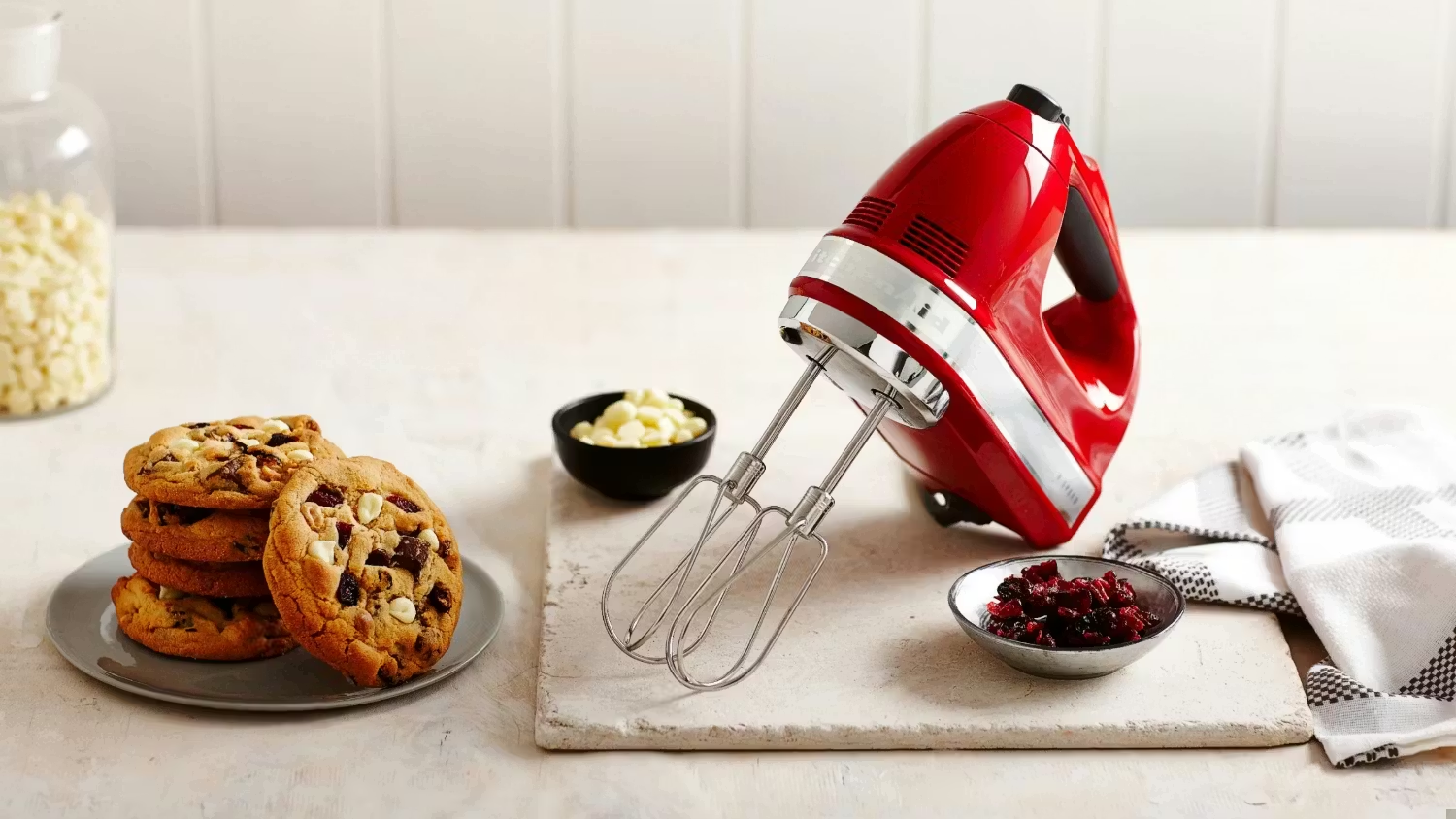
KitchenAid Empire Red 9-Speed Hand Mixer

KitchenAid Empire Red 9-Speed Hand Mixer

One thing that comes up again and again is how controlled this mixer feels when you turn it on. It doesn’t jerk forward or send flour flying everywhere. If you’ve used cheaper mixers before, you probably know that moment where everything explodes out of the bowl. This one mostly avoids that.

The soft start feature actually matters more than it sounds on paper. It’s one of those small things that ends up saving you cleanup time.

There are nine speeds, but I’ll be honest—most people aren’t using all nine regularly. You find a few that work and stick with them. The lower speeds are genuinely useful though, especially when you’re trying not to overmix or make a mess.

Why I Ended Up Buying the KitchenAid 9 Hand Mixer (And How It Held Up Over Time)

I didn’t buy the KitchenAid 9 Hand Mixer because I needed another kitchen tool. If anything, I was trying to use fewer. I already had a stand mixer, the kind that just sits there taking up counter space like a permanent resident. It works great, but I found myself avoiding it for smaller things. Too much setup, too much cleanup, and honestly… too much effort for something like whipping cream or mixing a quick batter.

The breaking point was a weekend where I wanted to make a simple batch of muffins. Nothing complicated. I pulled out the stand mixer, set it up, used it for maybe 3 minutes, and then spent longer cleaning it than actually mixing. That’s when I started thinking I needed something smaller, something I wouldn’t hesitate to grab.

I landed on the KitchenAid 9-Speed Hand Mixer mostly because of the brand, if I’m being honest. KitchenAid has a reputation for lasting a long time, and I kept seeing people mention that their older mixers were still running after decades. That kind of thing sticks with you when you’re deciding what to buy.

When it arrived, I didn’t do anything special to “test” it. I just started using it the way I normally cook. First thing was pancake batter on a Sunday morning. Then a few days later, whipped cream for a dessert. Then frosting. It sort of worked its way into my routine without me planning it.

After about a week, I noticed I hadn’t touched my stand mixer at all.

KitchenAid 9 Hand MixerOver the next few weeks, I pushed it a bit more. I made mashed potatoes for dinner one night—nothing crazy, but thick enough to see how the motor would react. It handled it fine, though I could feel a bit of resistance in my hand. Not a dealbreaker, just something you notice. Then I tried cookie dough, which is usually where hand mixers start to show their limits. It worked, but this is where I started to feel like, okay… this is probably the upper edge of what it’s comfortable doing.

At one point, I even tried a small batch of pizza dough. That was more curiosity than anything. Some people say it can handle dough surprisingly well, even enough for a couple pizzas without switching to a stand mixer. And yeah, technically it can—but it didn’t feel like something I’d want to repeat often. It gets the job started, but you’re still going to finish by hand if the dough gets too thick.

What I kept coming back to wasn’t power—it was control. The slow start is actually noticeable. You don’t get that sudden burst that throws flour everywhere. I didn’t think I’d care about that feature much, but after using it for a while, it’s hard to go back. A lot of users point that out as the one feature they didn’t expect to matter as much as it does, and I’d agree with that.

Another small thing I didn’t expect: I started reaching for it even when I could have used something else. It’s just easier. Less setup, less cleanup, less thinking. That probably says more about the product than any spec sheet.

Compare Other Hand Mixers From This Brand

That said, after a few weeks of regular use, the limits are pretty clear too. It’s not a powerhouse. If you cook heavy doughs often, you’ll feel that pretty quickly. And depending on how strong your wrists are, longer mixing sessions can get a little tiring. It’s not uncomfortable, just… noticeable.

So the experience ended up being a bit mixed in a realistic way. For everyday cooking, it fits in naturally. It’s the kind of tool you don’t think about much, which is usually a good sign. But it also reminds you, every now and then, that it’s still just a hand mixer.

Best hand mixer - KitchenAid 9 Hand Mixer KitchenAid 9-Speed Hand Mixer KitchenAid 9-Speed Hand Mixer - KHM926

What I Ended Up Liking Most — And What Started to Bother Me

After using the KitchenAid 9 Hand Mixer regularly for a while, a few strengths became obvious pretty quickly. The first was how easy it is to pull into everyday cooking. It’s light enough to grab without thinking, fast to set up, and not annoying to clean afterward. That alone made me use it more often than my stand mixer for small and medium jobs.

The slow start is probably the feature I appreciated most over time. It sounds like one of those small details companies put on the box because they need another bullet point, but in real use it genuinely helps. When I was mixing dry ingredients into batter or starting frosting, it gave me a lot more control and kept the usual cloud of flour to a minimum.

I also liked that it felt steady in the hand. Some mixers have plenty of speed but feel jumpy or cheap once you actually use them. This one felt more controlled than powerful, and I mean that as a compliment. For whipped cream, cake batter, brownies, mashed potatoes, and frosting, it felt smooth and predictable.

The extra attachments turned out to be more useful than I expected too. I didn’t use every single one constantly, but having the whisk and dough hooks there gave it more flexibility than a very basic hand mixer. The storage bag also sounded a little forgettable at first, but I ended up liking it because it kept everything in one place instead of scattered around a drawer. If you’re still comparing different options in this category, it’s worth taking a look at some of the best hand mixer reviews to see how this one stacks up against others people are using day to day.

Pros I Noticed After Real Use

  • Very easy to reach for: It fits naturally into everyday cooking and doesn’t feel like a project to use.
  • Slow start is genuinely useful: Less splatter, less mess, and better control at the beginning of mixing.
  • Smooth, steady performance: It feels more refined than a lot of cheaper hand mixers.
  • Attachments add flexibility: The whisk and dough hooks make it more versatile for different kitchen tasks.
  • Easier cleanup than a stand mixer: For smaller batches, this was one of the biggest advantages.
  • Storage details are thoughtful: The attachment bag and cord wrap make it easier to put away neatly.

But after the “new purchase” excitement wore off, a few weak spots started standing out too.

KitchenAid 9-speed Hand MixerThe biggest one is that this mixer has limits sooner than the price might lead you to expect. It handles everyday mixing well, but once I moved into thicker cookie dough or denser mixtures, it started to feel less confident. Not useless, just a little strained. That matters because this isn’t a budget hand mixer. At this price, it’s fair to expect a bit more headroom.

The controls also took some getting used to. I didn’t hate them, but I never fully loved them either. The push-button speed system works, though it feels a little fussier than a simple slider, especially if you stop midway and want to get back to a higher speed quickly.

I also noticed that while nine speeds sounds impressive, the actual difference between some of them feels narrower than you might expect. In daily use, I really only settled into a few settings.

Cons That Became More Obvious Over Time

  • Not ideal for frequent heavy mixing: Thick doughs and dense batters are where it starts to feel limited.
  • Price may feel a little ambitious: It performs well, but not in a way that will wow everyone for the money.
  • Button controls are not my favorite: They work, but they feel less natural than a traditional speed slider.
  • Some speed steps feel too close together: In real use, nine speeds doesn’t feel as dramatic as it sounds.
  • Still more wrist work than a stand mixer: That’s obvious, maybe, but worth saying if you do longer mixing sessions.

Check Price on Amazon

So that’s where I landed with it. The strengths are real, and for everyday baking they matter. The weaknesses are real too, especially if you were hoping this would replace a more powerful mixer. It didn’t feel like a miracle tool. It felt like a well-made, very usable hand mixer with a few quirks and a clear ceiling.

Build Quality: Solid, But Not Fancy

It feels sturdy in your hand. Not heavy in a bad way, just enough weight that it doesn’t feel flimsy. KitchenAid usually does a decent job here, and this mixer follows that pattern.

It’s mostly plastic, but not the kind that makes you nervous about dropping it once and breaking something. The handle is comfortable, even if you’re mixing for a while. That said, if you’re doing something thick, your arm will still feel it. That’s just the reality of hand mixers.

The cord can be positioned on either side, which sounds like a minor detail, but it actually makes a difference depending on how your kitchen is set up. Little things like that tend to matter more over time.

How the KitchenAid 9 Hand Mixer Compares to Two Well-Known Alternatives

Once the KitchenAid 9 Hand Mixer gets up into the $109 range, it stops competing with the really basic hand mixers people grab on impulse. At that point, most shoppers start asking a more reasonable question: if I am spending this much, is this actually the best version of a hand mixer for the money?

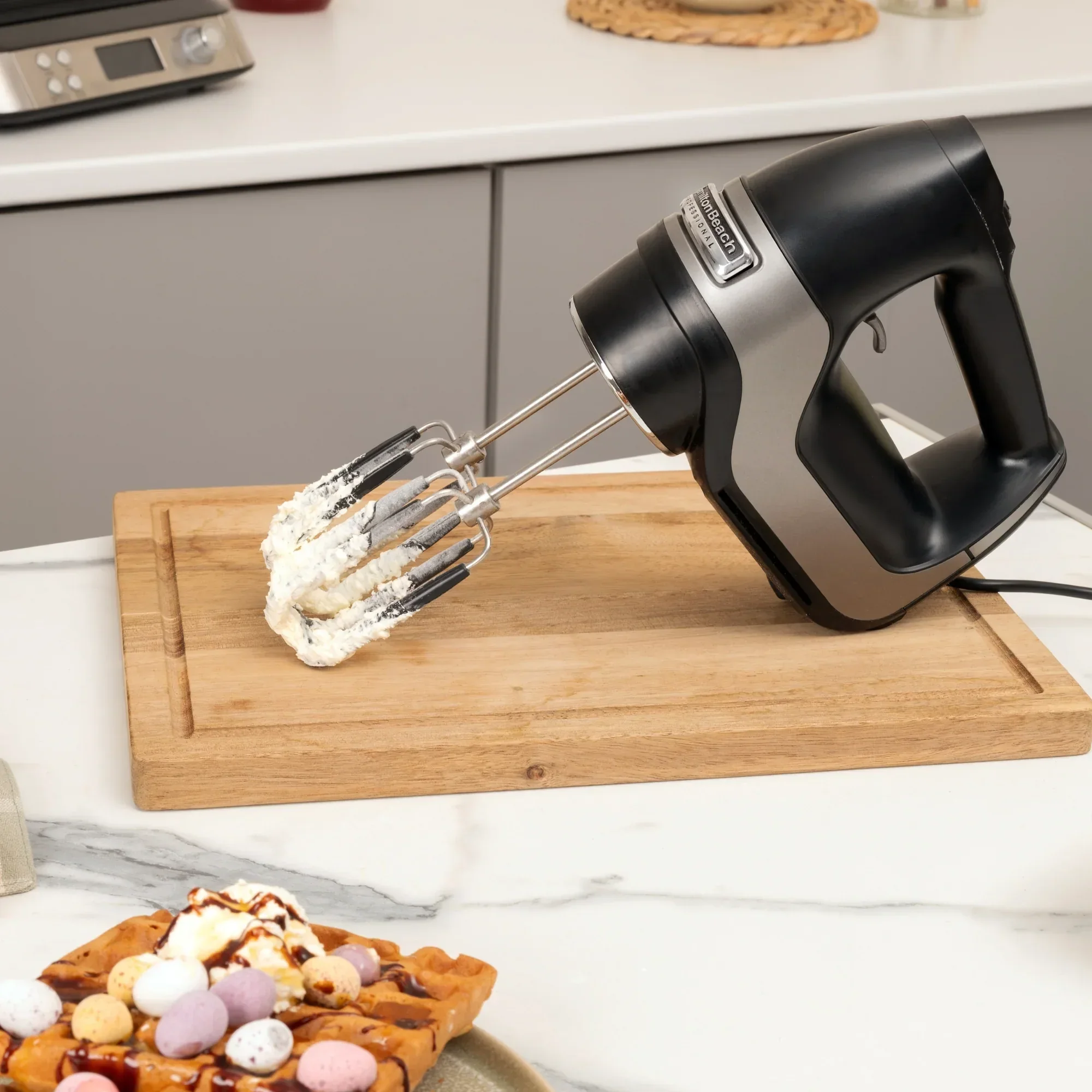
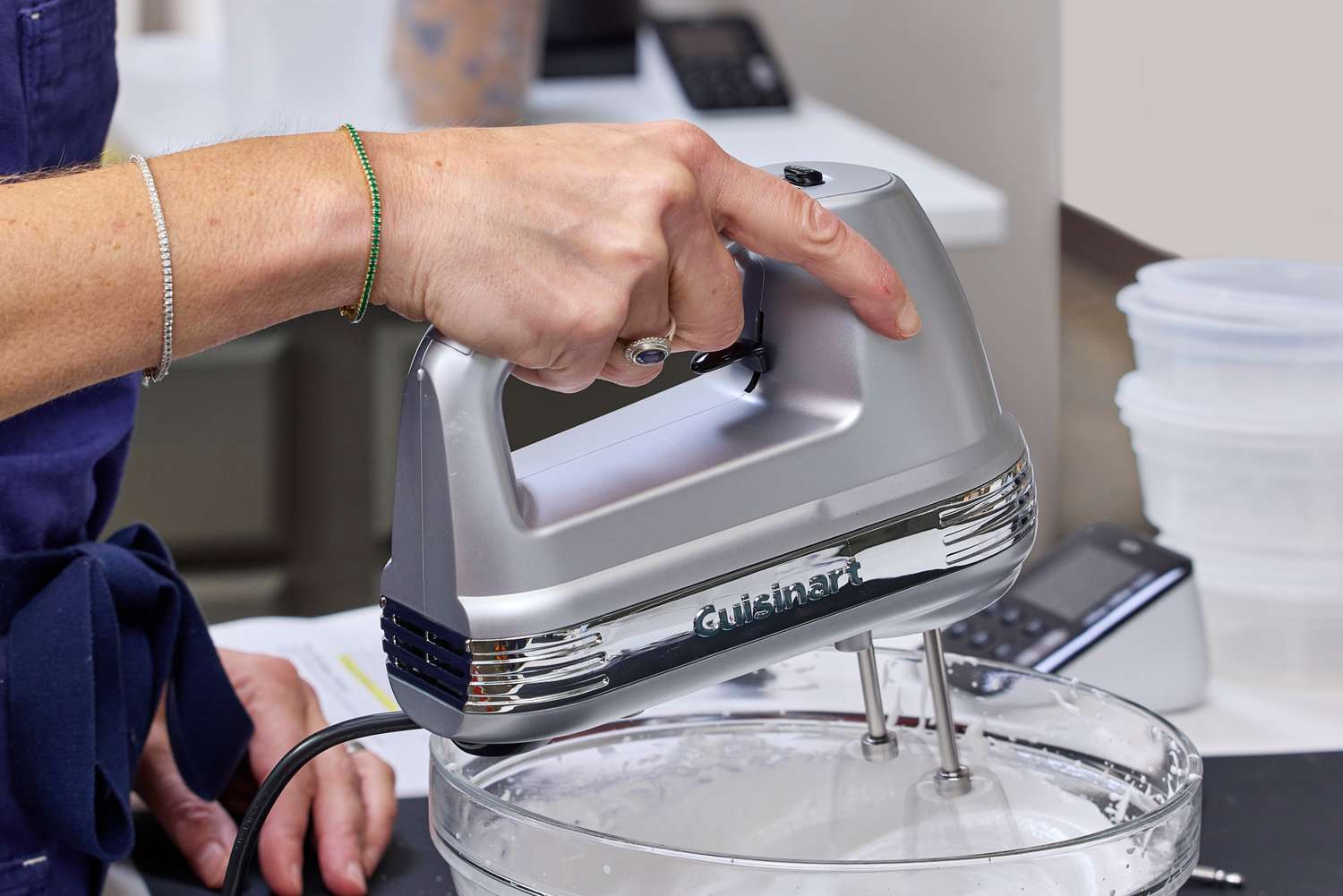
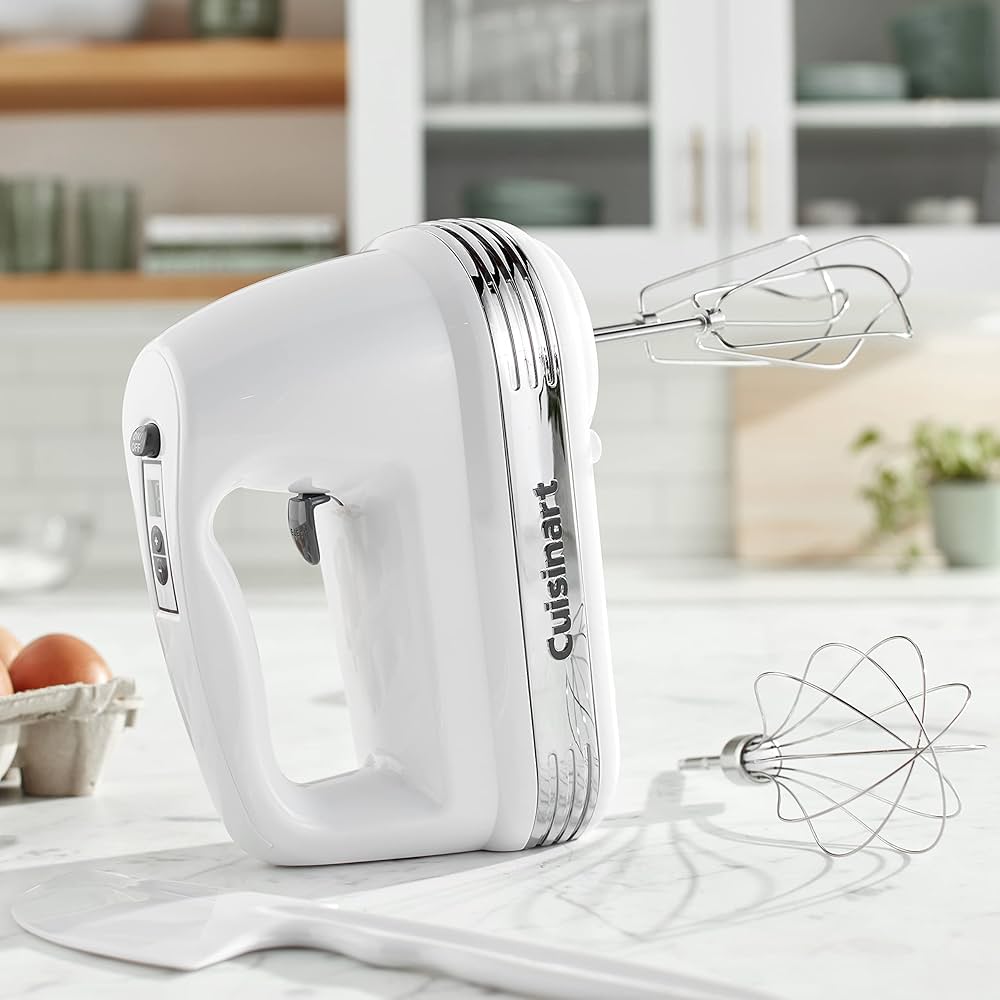
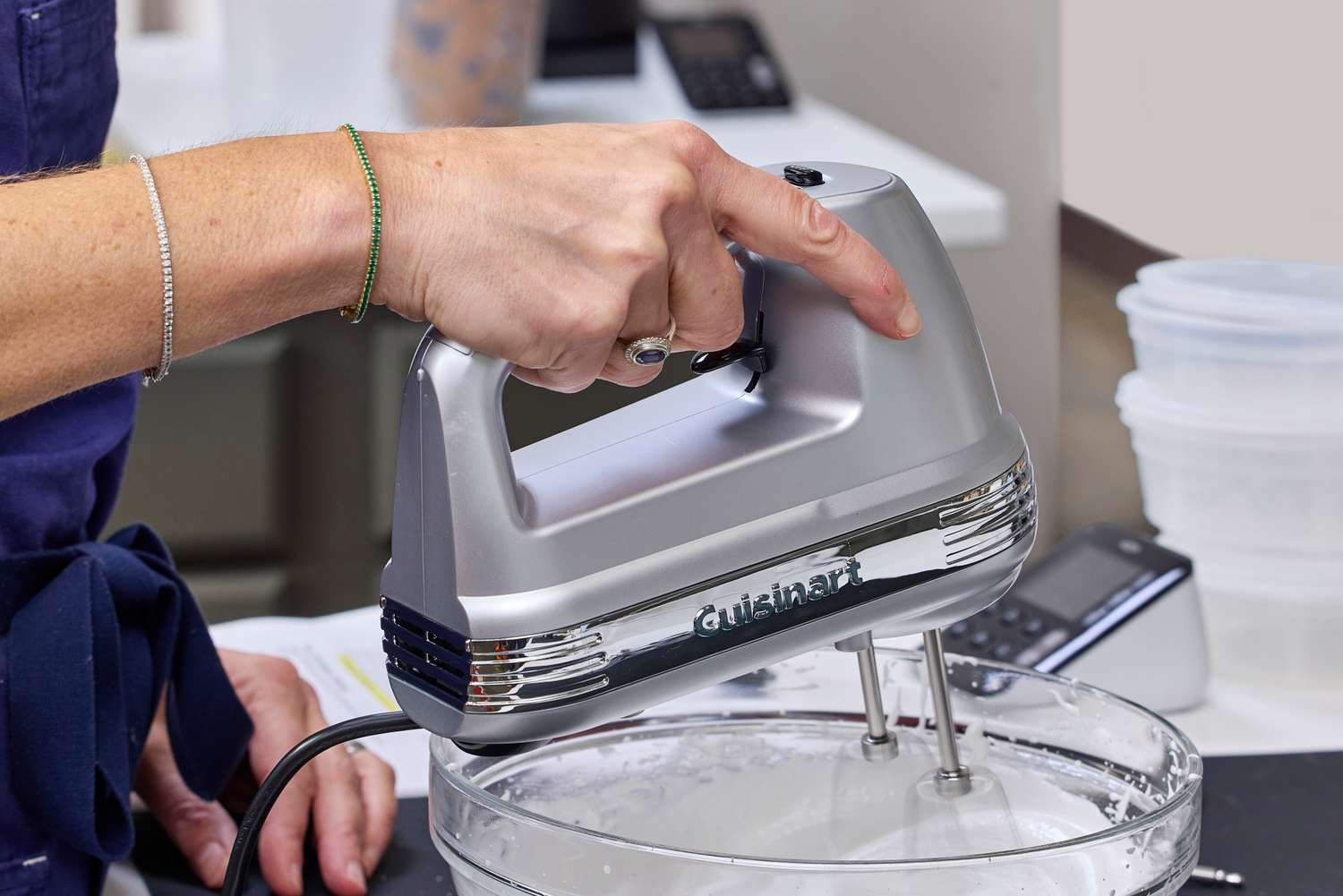
That is where two other familiar names come in. The first is the Hamilton Beach Professional 7-Speed Digital Electric Hand Mixer, which leans more into power and practical value. The second is the Cuisinart Power Advantage Plus 9-Speed Hand Mixer, which tends to appeal to buyers who want lots of features without paying quite as much for the KitchenAid name.

The KitchenAid still feels like the most polished of the three in everyday use. It has the gentlest slow start, a steadier feel in the hand, and a more premium overall finish. But it is not automatically the best choice for every buyer. The Hamilton Beach model makes a strong case if you care more about torque and utility than appearance, while the Cuisinart is the one that makes people stop and ask whether KitchenAid is really worth the extra money.

Seeing them side by side makes the trade-offs easier to sort out. The table below focuses on the things that actually matter once you start using these mixers at home.

Feature KitchenAid 9-Speed Hand Mixer Model Reviewed Hamilton Beach Professional 7-Speed Digital Electric Hand Mixer Cuisinart Power Advantage Plus 9-Speed Hand Mixer
Design

A quick visual look at each mixer’s overall size, shape, and storage setup.

Compact, polished, and more premium-looking than most hand mixers in this category More utilitarian design, but built to feel practical and performance-focused Traditional hand mixer design with a more functional, no-frills look
Speed Settings

More speeds can help with control, though the real question is how usable those speeds feel in everyday mixing.

9 speeds 7 speeds 9 speeds
Motor / Power Positioning

Not just raw numbers, but how each mixer is positioned in terms of strength and workload.

Feels smooth and controlled rather than aggressively powerful High-performance DC motor with a more power-forward feel 220W motor that covers most standard baking and mixing tasks well
Slow Start Control

This matters more than people expect, especially when mixing flour, powdered sugar, or lighter batters.

Excellent slow start, one of its best real-world features Also includes slow start and is clearly built with splatter control in mind Includes a smooth-start style feature, though it feels a little less refined in use
Attachments

What comes in the box and how much flexibility you get for different kitchen tasks.

Beaters, whisk, dough hooks, blending rod, storage bag SoftScrape beaters, whisk, dough hooks, snap-on storage case Dishwasher-safe beaters, whisk, dough hooks, chef’s whisk, spatula, storage case
Storage

Small detail, but it affects how annoying the mixer is to live with over time.

Fabric storage bag keeps accessories together but feels a little less tidy Snap-on storage case feels more convenient and organized Storage case is easier to stack and store than a loose accessory bag
Best Everyday Strength

The thing each mixer seems to do especially well once you get past the marketing language.

Smooth, controlled mixing and a more premium feel in the hand Practical power and a more workhorse-style personality Feature value for shoppers who want versatility without overspending
Main Trade-Off

What you are most likely to question after using it for a while.

Higher price, especially if you do not care much about finish or brand polish Less premium feel and fewer speed steps than the KitchenAid Makes the KitchenAid feel a bit expensive, but does not feel quite as refined
Who It Makes the Most Sense For

The kind of buyer each mixer seems best suited to in real kitchens.

Someone who wants a polished, dependable hand mixer for regular everyday baking Someone who cares more about practical performance than premium styling Someone who wants a feature-rich alternative and is watching value more closely

If I had to sum it up simply, the KitchenAid is the one I would choose for the nicest everyday user experience. The Hamilton Beach Professional is the one I would look at if I wanted something a little more workhorse-like without paying mainly for aesthetics. The Cuisinart is probably the easiest one to justify if budget is part of the conversation, because it gives you a lot of the same general flexibility while making the KitchenAid work harder to earn its higher price.

That does not mean the KitchenAid is overpriced. It just means that once you get into this tier, you are no longer paying only for whether a mixer works. You are also paying for how it feels to use, how smoothly it behaves, and whether those little details matter enough to you over time.

How It Handles Real Cooking Tasks

This is where the KitchenAid 9 Hand Mixer feels most at home. It’s not built for extreme jobs—it’s built for regular cooking.

  • Cake batter? No problem.
  • Whipped cream? Pretty smooth.
  • Mashed potatoes? Works fine.
  • Frosting? Consistent, no complaints.

It handles these kinds of tasks comfortably, and that’s probably what most people actually need.

But here’s where things get a bit more honest. Once you move into thicker dough—like heavy cookie dough or anything bread-related—you start to feel the limits. It can do small batches, sure, but it doesn’t feel like something you’d want to push regularly. The motor sounds a bit more strained, and your wrist will definitely notice.

Attachments: Simple, Nothing Overcomplicated

You get the usual set: beaters, dough hooks, and a whisk. Nothing surprising, but it covers the basics well.

The whisk is probably the most useful extra. It actually performs better than expected for lighter mixtures, and that gives the mixer a bit more flexibility.

Cleaning is straightforward. No weird shapes or hard-to-reach spots. You can rinse them quickly and move on.

There’s no fancy storage system, though. You’re basically just finding a drawer or corner for it. Not a huge issue, but worth mentioning.

Things People Don’t Love

Looking through real user feedback, a few complaints show up pretty consistently:

  • Not great for heavy dough: This is probably the biggest one. It’s just not built for that kind of workload.
  • Price feels a bit high: Especially when you compare it to very basic mixers that technically do similar things.
  • Some speeds feel too similar: Nine speeds sounds impressive, but the differences aren’t always dramatic.

None of these are shocking, but they do shape expectations. This isn’t a powerhouse—it’s more of a steady, everyday tool.

Who This Mixer Actually Makes Sense For

This is where things get clearer.

The KitchenAid 9-Speed Hand Mixer works well if you:

  • Bake occasionally or semi-regularly
  • Want something more stable than a cheap mixer
  • Care about smoother control rather than raw power
  • Mostly stick to standard recipes

It feels like a good fit for people who cook often enough to notice quality differences, but not so often that they need a full stand mixer.

Who Might Get Frustrated

On the flip side, it’s probably not ideal if:

  • You bake bread frequently
  • You expect it to handle large, dense batches
  • You’re trying to replace a stand mixer entirely

In those cases, this mixer might feel a bit limiting pretty quickly.

Compared to Cheaper Hand Mixers

Compared to basic 5-speed models, this one definitely feels more refined. The motor is smoother, the start is gentler, and it just feels easier to control.

But here’s the honest part—it’s not going to completely change your cooking experience. If you only bake once in a while, you might not notice a huge difference.

Where it earns its place is consistency. It behaves the same way every time, and that’s something people tend to appreciate more over months of use than during the first week.

Final Thoughts

The KitchenAid 9 Hand Mixer doesn’t try to do too much, and that’s probably why it works. It handles everyday mixing tasks well, feels stable in your hand, and avoids some of the annoying quirks cheaper mixers have.

It’s not the strongest option out there, and the price might make you pause a bit. But if you want something that feels reliable without stepping into stand mixer territory, it’s a pretty easy tool to live with.

Laura Bennett

About the Author

Laura Bennett

Laura Bennett is a longtime culinary professional who has spent years working in commercial kitchens and teaching cooking skills in real-world settings. Her experience with everyday kitchen tools and larger appliances gives her a practical perspective on what actually holds up during regular use. She writes about mixers, cookware, and other kitchen essentials with a focus on how they perform outside of showroom promises. Her reviews are grounded in function, ease of use, and long-term value, with the goal of helping home cooks choose tools that make cooking feel smoother and more dependable.

KitchenDict

The modern dictionary of kitchen tools and appliances.

Honest reviews, practical comparisons,
and research-based buying guides for everyday home kitchens.

Honest Reviews Practical Comparisons Research-Based Guides Kitchen Product Insights
About Contact Privacy Policy Affiliate Disclosure
© 2026 KitchenDict. All rights reserved.